Silicone Baby Tableware Set: Suction Plate, Bib & Utensils
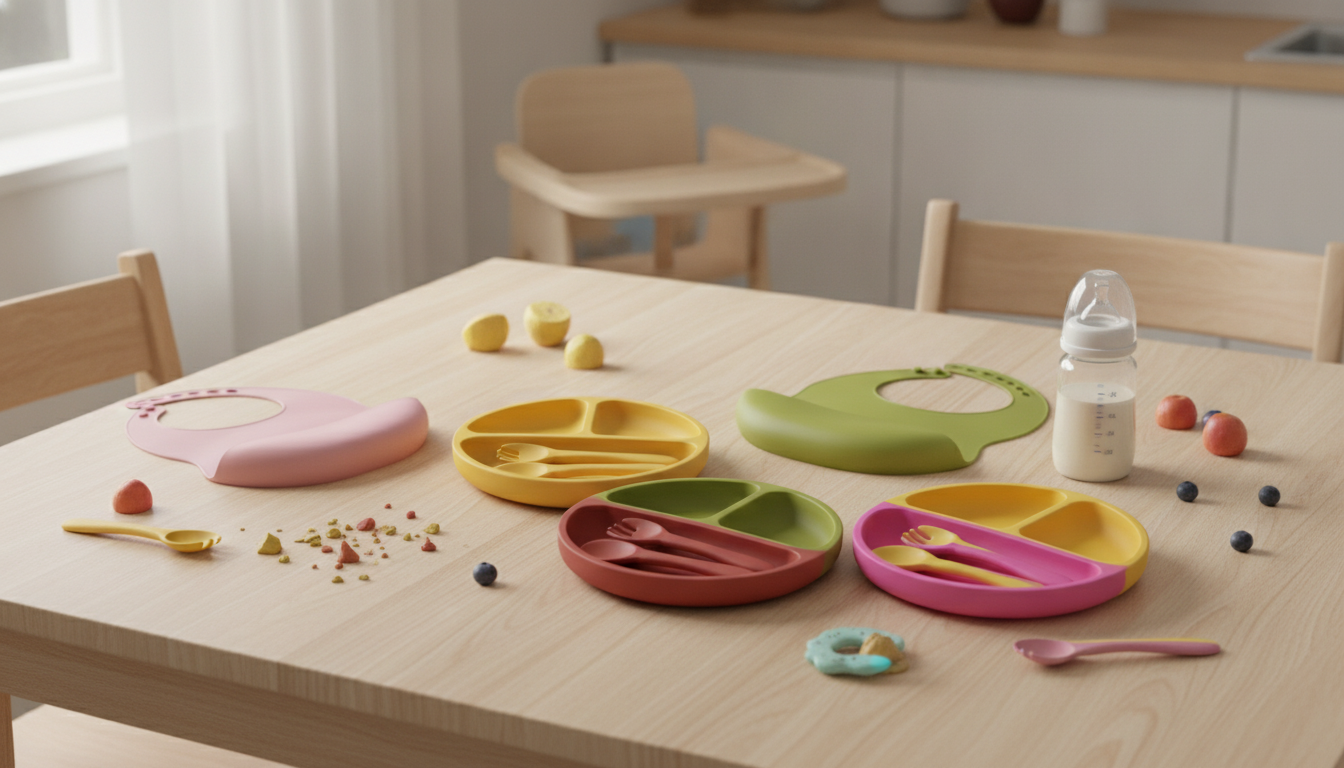
4-Piece Silicone Baby Tableware Set for Easier, Cleaner Mealtimes
A practical feeding setup can reduce spills, support self-feeding, and simplify cleanup. This 4-piece silicone set pairs a suction plate with an adjustable bib plus a spoon and fork designed for small hands—helpful for daily meals at home or on the go.
If you’re building a simple starter kit, the 4PCS Silicone Baby Tableware Set with Suction Plate, Adjustable Bib, Spoon & Fork covers the core pieces most families reach for again and again, especially during the “learning to eat” months when mess is part of the process.
What’s Included in the Set
- Suction plate to help keep food in place during active feeding moments
- Adjustable silicone bib to catch drips and dropped bites
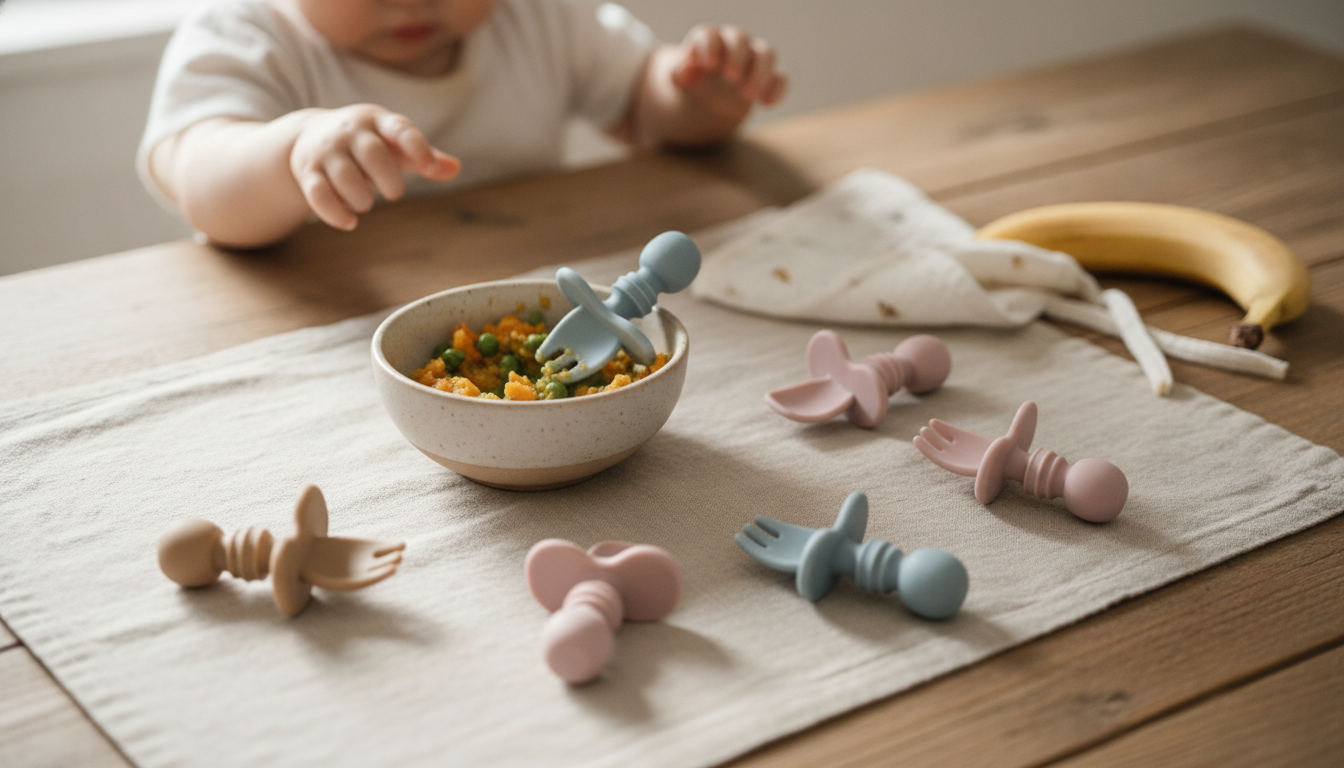
- Baby-friendly spoon for early purees and soft foods
- Baby-friendly fork for progressing to finger foods and bite-sized pieces
- A coordinated set that covers the core items needed for most mealtime stages
Set Pieces and When Each Helps Most
| Item | Primary purpose | Best use stage | Helpful tip |
|---|---|---|---|
| Suction plate | Helps reduce plate tipping and sliding | Starting solids through toddler meals | Press firmly onto a clean, flat surface for the strongest hold |
| Adjustable bib | Catches spills and crumbs | Early feeding through self-feeding | Choose a comfortable neck setting and empty the pocket mid-meal if needed |
| Spoon | Supports scooping and guided feeding | Purees to thicker textures | Pre-load the spoon to encourage independent bringing-to-mouth |
| Fork | Encourages picking up soft pieces | Soft finger foods to mixed textures | Start with tender foods (banana, avocado, steamed veggies) |
Why Silicone Works Well for Baby Feeding
- Gentle on gums during early utensil practice
- Grippy feel can help reduce slipping in small hands
- Flexible and durable for everyday drops and travel
- Often easier to rinse clean compared with textured fabrics or porous materials
- Comfortable bib material that can be rolled or packed without bulk
For families starting solids, it also helps to lean on trusted feeding guidance. The American Academy of Pediatrics offers an overview on introducing solids on HealthyChildren.org, and the CDC highlights common safety concerns around choking on CDC.gov.
Using the Suction Plate More Effectively
- Start with a smooth, non-porous surface (sealed wood, glass, plastic, metal) for better suction performance
- Wipe the table and the underside of the plate to remove crumbs, oils, or soap residue that can weaken suction
- Press down around the base and test with a gentle tug before serving
- Avoid placing on heavily textured surfaces (some stone, unfinished wood, woven placemats) where suction may not seal well
- If a child learns to peel the edge, rotate the plate position and offer small portions to reduce frustration and spills
A quick practical tweak: if suction feels inconsistent on your dining table, try a smooth high-chair tray or a clean, flat placemat made for suction feeding—texture is often the real culprit, not the plate.
Adjustable Bib Fit and Comfort Tips
- Set the neck size so the bib sits flat without pressing into the neck
- Position the pocket open and forward to catch food rather than folding under
- Rinse or wipe the pocket during longer meals to prevent overflow
- For sensitive skin, keep the area under the bib clean and dry after meals
- Use the bib consistently during practice feeds to reduce outfit changes and laundry
Many parents find the bib becomes a reliable “meal cue.” When it goes on, babies start to anticipate food time—useful for building a steady routine, especially when you’re juggling naps, bottles, and solids.
Spoon and Fork Skills by Feeding Stage
- Early solids: pre-load the spoon and let the baby bring it to the mouth to build coordination
- Transition textures: offer thicker purees and soft mash so the spoon can scoop more easily
- Finger foods: introduce the fork with very soft pieces that hold together without crumbling
- Keep portions small to reduce overwhelm and improve success with scooping and spearing
- Expect mess as part of learning; focus on repetition and safe textures
A simple progression that tends to work well: start with pre-loaded spoon practice (short, successful repetitions), then add fork practice once your baby is confidently grabbing and bringing foods to the mouth. For additional information on materials used in food-contact items, the FDA provides background on food contact substances at FDA.gov.
Cleaning and Care for Everyday Use
- Wash before first use and after each meal to remove residue and odors
- Use mild soap and warm water; rinse thoroughly so suction surfaces stay grippy
- Allow to dry fully before storing to help keep items fresh
- Check utensils regularly for wear and replace if damaged
- Keep silicone away from sharp tools that could nick the surface
Safe Feeding Setup Checklist
A Simple Daily Mealtime Routine
For families balancing feeding gear with other new-parent costs, it can help to map out the month in advance. The Planning Monthly Baby Expenses Made Simple (Printable Budgeting Guide) is an easy way to organize recurring baby essentials, including feeding items, pantry staples, and replacement needs as your baby grows.
FAQ
Why isn’t the suction plate sticking well?
Most suction issues come from a textured surface or a thin layer of moisture, oil, or soap residue. Wipe both the table/tray and the plate base, use a smooth non-porous surface, and press firmly around the base to create a complete seal.
What age is this set suitable for?
It’s typically useful from the start of solids through toddler self-feeding, since the plate, bib, and utensils support multiple stages. Always supervise meals and match foods and utensil use to your child’s development.
How should the silicone bib be cleaned during busy days?
For quick turnaround, empty the pocket, then rinse under warm water or wipe clean and reuse if needed. After meals, wash with mild soap, rinse thoroughly, and dry fully to help reduce odors and buildup.









Leave a comment