Ceramic vs Stainless Steel for Babies: Safer Choice

Is ceramic or stainless steel better for babies?
For most families, stainless steel is the better everyday choice for baby bowls, plates, and cups because it’s lightweight, highly durable, and easy to sanitize. Ceramic can be a safe option too, but it’s more prone to chipping or breaking, which can create sharp edges and hidden places for germs to collect.
Why stainless steel often wins for daily feeding
Stainless steel (especially food-grade 304/18-8) handles drops, throws, and high-chair tumbles without cracking. It’s also non-porous, so it won’t absorb odors, colors, or flavors from foods like tomato sauce or curry. When you’re washing items multiple times a day, that non-porous surface makes cleanup and hygiene simpler.
Another plus: stainless steel typically works well with warm foods. It can warm up quickly, so always check the food temperature before serving, but it won’t shatter from normal temperature changes the way some ceramics can if they’re moved from cold to hot too fast.
When ceramic can be a good pick
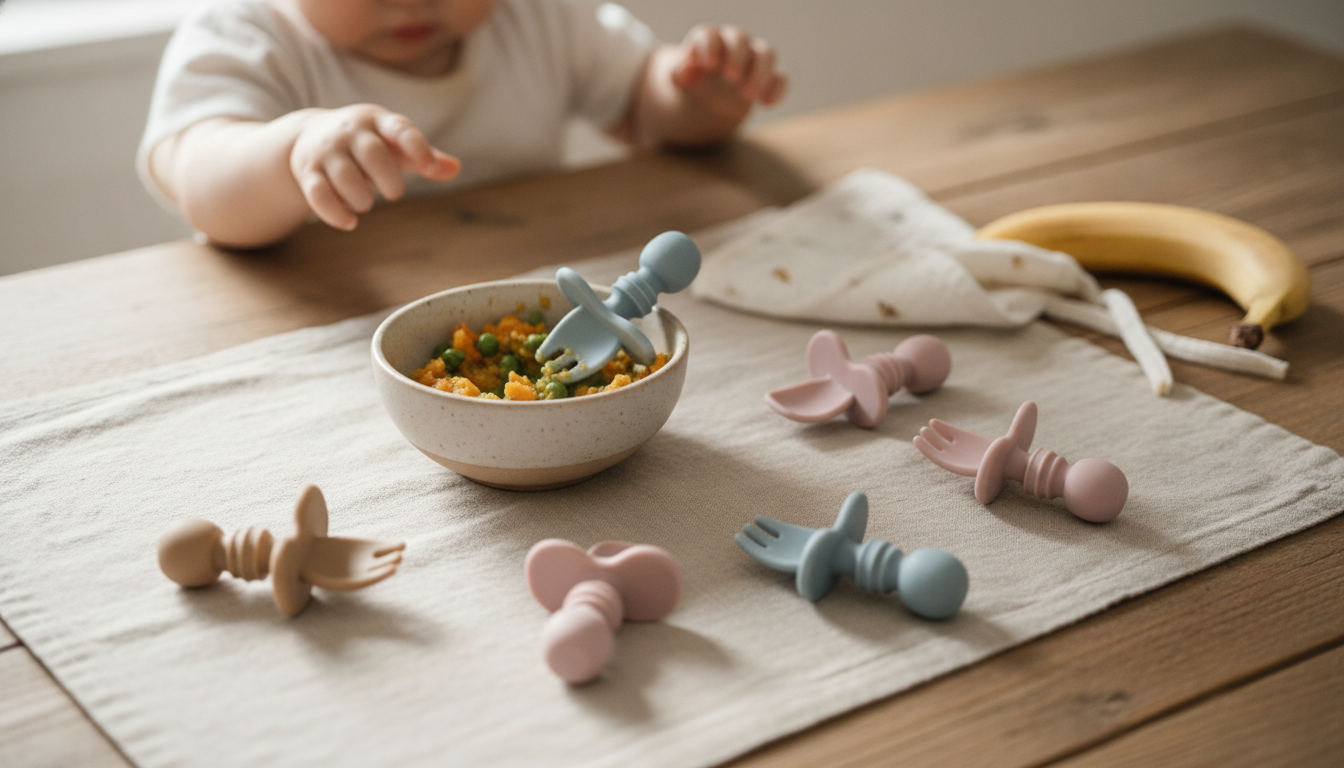
Ceramic dishes can feel sturdy on the table, and some parents like their weight and classic look. If you choose ceramic, look for lead-free, cadmium-free labeling and inspect it often. Once glaze is chipped or cracked, it’s best to replace it—chips can be sharp, and cracks can trap residue even after washing.
Safety tips that matter more than the material
Whatever you choose, prioritize a stable feeding setup: a non-slip base or a suction sleeve, rounded edges, and sizes that match baby’s stage (shallow bowls and easy-grip cups). Replace any item with deep scratches, cracks, or loose parts, and supervise babies during meals to reduce tossing and chewing on dish edges.
For a deeper dive into why many parents choose stainless steel for warm foods, simple cleaning, and long-term durability, see this guide: stainless steel baby feeding set overview.
FAQ
Can babies use silicone bowls and plates?
Yes—food-grade silicone is commonly used for baby feeding and can be very practical. Choose reputable brands, avoid badly stained or torn pieces, and replace items that start to feel tacky or develop strong lingering odors.










Leave a comment