At-Home Baby Growth Tracking Checklist (Low-Stress)
Baby Growth Tracking at Home: A Simple Checklist Parents Can Use
Tracking baby’s growth at home can be calm, consistent, and even fun when it’s broken into small, repeatable steps. A simple checklist helps parents capture key measurements, note milestones, and keep everything in one place to share with a pediatrician when needed—without turning each check-in into a stressful event.
What “growth” really includes (not just the scale)
Baby growth is bigger than a single weigh-in. It’s a mix of measurements, patterns over time, and everyday observations that help explain what’s happening between visits.
- Measurements: weight, length/height, and head circumference tracked over time.
- Patterns: steady progress matters more than any one number on any one day.
- Development notes: feeding changes, sleep shifts, diaper output, and new skills.
- Family context: genetics, prematurity, and typical variations that influence growth curves.
If you want a reference for how clinicians visualize growth, the CDC Growth Charts and WHO Child Growth Standards show how measurements are commonly compared by age and sex.
What to gather before the first check-in
Having a few basics ready makes the routine faster and more consistent (which is the whole point).
- A reliable infant scale (or a consistent method if a baby scale isn’t available).
- A measuring tape (a soft tape works well for head circumference).
- A flat surface and a helper for length measurements—two people makes it much easier.
- A consistent time window (for example, mornings before a feed) to reduce day-to-day fluctuation.
- A place to store records: printed sheets in a binder or a simple digital file you’ll actually update.
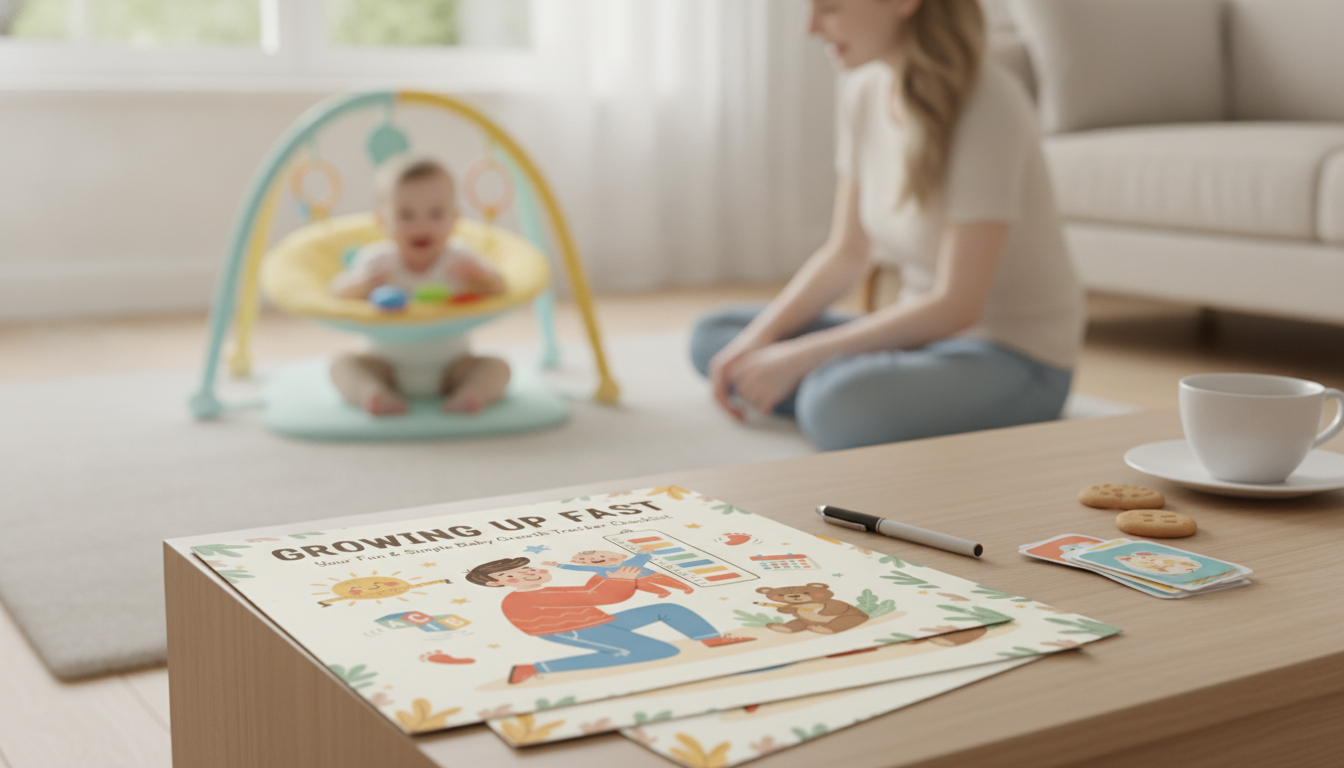
For an easy, ready-to-use format, the Baby Growth Tracker Checklist (printable digital download) keeps dates, measurements, and quick notes together without extra clutter.
A quick, low-stress routine for tracking at home
A calm routine matters more than “perfect” technique. Aim for repeatable steps, then keep moving with your day.
1) Pick a frequency that fits
Many families track weekly early on, then shift to monthly as routines stabilize (or follow pediatric guidance for preterm babies). A predictable cadence makes trends easier to spot.
2) Measure weight (same conditions each time)
- Use the same scale, in the same spot.
- Try similar clothing each time (or just a dry diaper).
- If baby just ate or had a big diaper, consider waiting until the next planned check-in rather than chasing a “clean” number.
3) Measure length (expect wiggles)
- Lay baby on a flat surface.
- Hold the head gently against a fixed point.
- With help, gently straighten the legs and measure from head to heel.
- If results differ, repeat once and record the average.
4) Measure head circumference (snug, not tight)
- Wrap the tape above the eyebrows.
- Bring it around the largest part of the back of the head.
- Keep it snug but not compressing the skin.
5) Add one short note
A single line can explain a lot later: feeding method/changes, illness, sleep disruptions, teething, travel, or a big developmental moment that might explain a temporary dip or jump.
6) Keep it light
One attempt is fine. If baby is upset, stop and try again at the next scheduled check-in rather than re-measuring repeatedly.
Simple tracking schedule (and what to record each time)
Using the same core items each time creates a cleaner story to share at well-child visits. The American Academy of Pediatrics well-child visit guidance is a helpful reference for what’s typically monitored and discussed across the first years.
| Timing | What to measure | What to note | Helpful tip |
|---|---|---|---|
| Newborn–2 months (weekly or as advised) | Weight, length, head circumference | Feeding frequency, wet/dirty diapers, sleep stretches | Choose the same day/time to reduce variability |
| 3–6 months (every 2–4 weeks) | Weight and length; head circumference monthly | New skills (rolling, reaching), appetite changes | If baby wiggles, measure length twice and average |
| 7–12 months (monthly) | Weight and length; head circumference as advised | Solids introduction, teething, illnesses | Expect short-term fluctuations during illness |
| 12+ months (monthly or quarterly) | Weight and height/length | Big routine shifts (daycare, travel), activity level | Track trends rather than week-to-week changes |
Making it fun and sustainable (so it actually gets used)
Small routines can pair nicely with other simple planning tools—some parents keep growth records in the same folder as the Monthly baby expenses planning printable guide so key baby notes live in one place.
When to contact a pediatrician between visits
A printable checklist that keeps everything in one place
If you’re building a gentle “care station” for routines, a small grooming item like the Wooden baby brush and comb set can fit nicely alongside your measuring tape and record sheets—one spot, fewer lost items.
FAQ
How often should baby’s weight and length be measured at home?
Weekly check-ins can work well in the newborn stage, then many families switch to every 2–4 weeks and later monthly. If baby was born preterm or has a medical concern, follow the schedule your pediatrician recommends and prioritize consistency over frequency.
What’s the most accurate way to measure baby’s length at home?
Use a flat surface and a two-person method: one person keeps baby’s head gently against a fixed point while the other straightens the legs and measures heel-to-head. Measure twice if baby wiggles and record the average to keep it calm and realistic.
Should head circumference be tracked at home?
It can be tracked occasionally if you’re comfortable doing it consistently. Place the tape above the eyebrows and around the largest part of the back of the head, snug but not tight, and discuss any unusual changes or concerns with your pediatrician.








Leave a comment