Holiday Gift Budgeting for Kids: Simple Plan + Printable
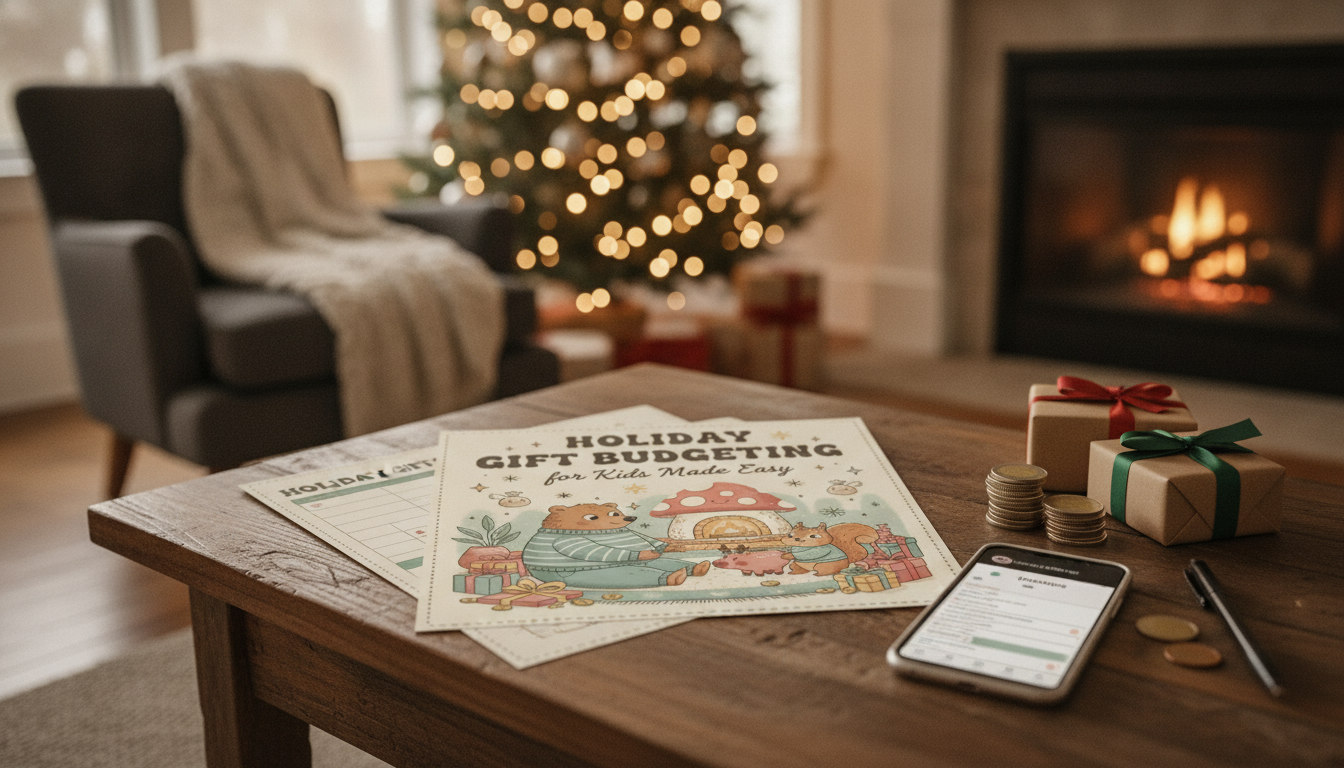
Holiday Gift Budgeting for Kids Made Easy: A Calm, Clear Plan Parents Can Stick With
Holiday shopping for kids can feel like a fast-moving target—wish lists grow, sales end, and extra events pop up. A simple budgeting plan makes spending feel intentional instead of reactive, while still leaving room for joy, surprises, and family traditions.
Start with a simple holiday spending snapshot
Before choosing a single gift, pick one number for “holiday gifts for kids” that fits your household cash flow—not the wishlist. Then list every child you’re buying for (your own kids, plus cousins, classroom exchanges, nieces/nephews, or family-friend gifts if those are on your plate this year).
Next, name the hidden extras that usually derail the plan: stocking stuffers, wrapping, shipping, batteries, returns, gift cards, and last-minute add-ons. Finally, choose a timeframe (today → holiday) and decide how often you’ll set money aside (weekly or per paycheck). Even small, consistent set-asides create a calmer finish.
Quick Holiday Gift Budget Snapshot (Fill-In Example)
| Category | Planned Amount | Actual Amount | Notes |
|---|---|---|---|
| Main gifts (all kids) | $250 | $— | Big-ticket items, top wish-list picks |
| Stocking stuffers | $40 | $— | Small toys, socks, crafts, treats |
| Wrapping & supplies | $25 | $— | Paper, tape, tags, boxes, ribbons |
| Shipping/fees | $20 | $— | Online orders, expedited shipping, membership fees |
| Buffer | $30 | $— | Price changes, forgotten items, exchanges |
Choose a budgeting method that reduces decision fatigue
The “best” method is the one you can follow when you’re tired, busy, and tempted by flash sales. Pick one approach and stick to it.
- Per-child cap: Assign each child the same limit. Then use a simple pattern like “one main gift + two small gifts” to keep decisions fast.
- Category caps: Try “something they want / need / wear / read” so the list feels balanced without expanding endlessly.
- Envelope-style buckets (digital or cash): Pre-allocate funds to buckets (main gifts, stockings, wrapping). When a bucket hits zero, you stop spending in that category.
- Sale-first strategy: Decide what’s safe to buy early (books, crafts, winter gear) versus what should wait (size-sensitive clothing, highly trendy toys).
If you want a trustworthy starting point for building a workable household budget (beyond the holidays), the Consumer Financial Protection Bureau (CFPB) budgeting resources offer simple guidance that pairs well with a holiday plan.
Build the kid gift list with boundaries that still feel generous
Boundaries don’t make gifting less fun—they make it more focused. Use a two-list approach: “Nice to have” and “Would be thrilled.” Then prioritize within your budget, not within your scrolling stamina.
- Limit open-ended categories: Art supplies and “surprise toys” can spiral. Cap those categories to one item per child (or one family set).
- Set house rules early: Examples: one big gift max, no duplicate large toys, experience gifts count toward the budget, or one gift must support a family routine (reading time, outdoor play, creative time).
- Plan for fairness without forcing sameness: Match by budget, not by number of packages. One child may want a single big item; another may prefer multiple small things—both can be “equal” financially.
Make room for traditions without blowing the budget
Traditions can quietly become the most expensive part of the season because they repeat every year. Start by naming your “must-keep” traditions (holiday pajamas, a book on Christmas Eve, a family board game) and pricing them out first.
Time your purchases to avoid last-minute spending
Write down “buy triggers” to prevent impulse purchases: only buy items already on the list, only buy with a coupon, or only buy if it replaces a higher-cost item. Track price swings and return windows (especially for electronics and trending toys), and batch errands so wrapping supplies, stocking items, and shipping needs happen in one planned trip or order. For safer online shopping and avoiding common scams, the FTC’s online shopping tips are a helpful quick read.
Keep kids’ expectations realistic and positive
Use a printable plan to stay consistent from list to checkout
Printable guide option: Holiday Gift Budgeting for Kids Made Easy
If a structured, fill-in system sounds easier than reinventing the wheel each year, the Holiday Gift Budgeting for Kids Made Easy printable guide is a digital printable eBook designed to simplify kid-focused holiday gift budgeting—from setting limits to tracking spending. It’s built to support a calmer process that turns wish lists into an affordable plan and reduces last-minute purchases. Price: $12.99 (USD); availability: in stock.
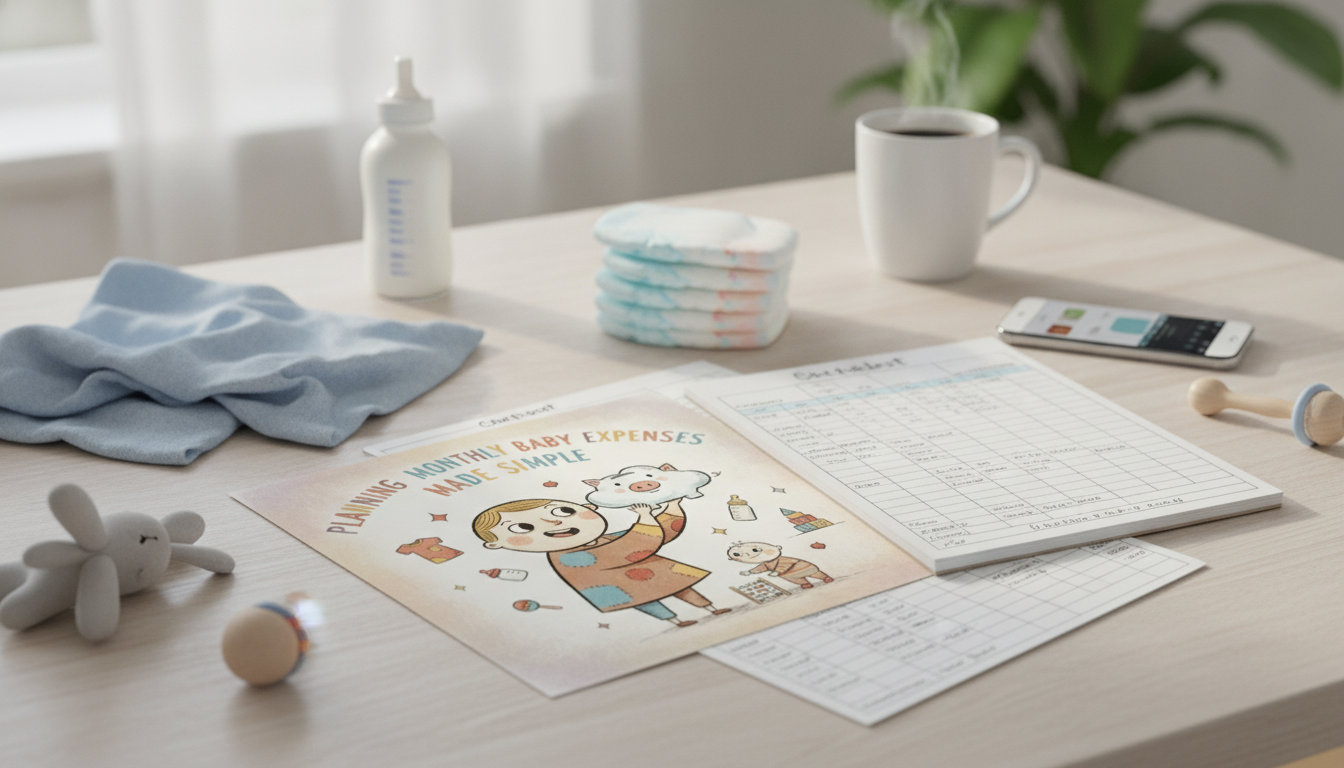
For parents who like keeping the bigger family budget organized year-round (especially with a new baby), Planning Monthly Baby Expenses Made Simple printable budgeting guide can help map out monthly costs so holiday spending fits into the full picture.
If spending already went off track: a quick reset plan
FAQ
How much should be budgeted for holiday gifts for each child?
Start with a total amount that fits your cash flow, divide it per child, and then reserve about 10–15% for extras like wrapping, stockings, shipping, and a small buffer. The “right” number varies by household—consistency matters more than matching anyone else’s spending.
How can overspending be avoided when kids keep adding to their wish lists?
Use a ranked wish list and a fixed per-child cap, plus a simple rule: new ideas can be added only if they replace something else. Shopping checkpoints (plan week, early buy, final week) and tracking planned vs. actual spending make it easier to say “we’re done.”
What should be included in a holiday gift budget besides the gifts?
Add the commonly forgotten costs: wrapping supplies, shipping/fees, batteries, gift receipts and returns, stocking stuffers, classroom exchanges, teacher gifts, and a small buffer for price changes or last-minute needs.







Leave a comment