Monthly Baby Expenses: A Simple Printable Budget Plan
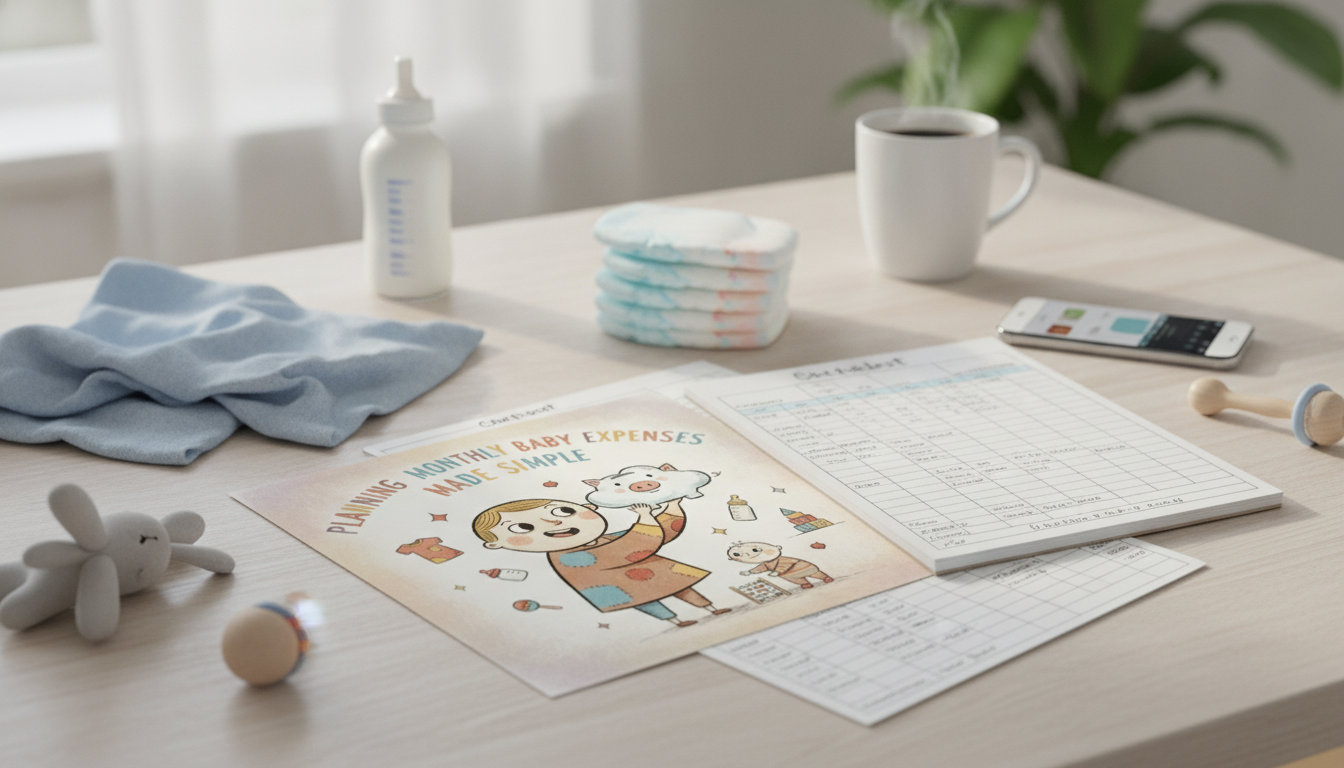
Planning Monthly Baby Expenses Made Simple: A Printable Budgeting Guide for New Parents
Monthly baby costs feel unpredictable at first—diapers, formula, childcare, and the “little” items that add up fast. A simple plan turns those surprises into clear categories, realistic ranges, and a routine that keeps spending aligned with priorities. Use the steps below to build a monthly baby budget that’s easy to update as needs change.
Start With the Baby Budget Baseline
A baby budget works best when it’s specific enough to guide decisions, but flexible enough for real life. Before listing numbers, set your baseline rules so tracking doesn’t become another exhausting task.
- Choose a time frame: build a monthly budget for ongoing costs, plus a separate one-time setup list for gear.
- Decide whose expenses are included: baby-only (diapers, bottles) versus household changes (higher utilities, extra groceries, more laundry detergent).
- Pick a tracking method that matches real life: paper printables, a notes app, spreadsheet, or a budgeting app—whatever you’ll actually use when you’re tired.
- Set a “minimum viable budget” first: fund needs only, then add comfort items and extras after essentials are covered.
If you want the simplest option from day one, a structured printable can remove the “where do I even start?” barrier. The Printable Budgeting Guide: Planning Monthly Baby Expenses Made Simple (Digital Download eBook & Checklist) is designed to turn monthly spending into a repeatable routine—plan, track, adjust.
Map Your Monthly Baby Expense Categories
Once you have a baseline, list categories that reflect how baby spending really happens. A strong category map prevents “miscellaneous” from swallowing your budget.
- Diapering: diapers, wipes, diaper cream, disposable bags; include cloth supplies or laundering costs if applicable.
- Feeding: formula or breastfeeding supplies, bottles, pump parts, milk storage bags, baby food, bibs, high-chair accessories.
- Healthcare: copays, prescriptions, over-the-counter basics, vitamins, thermometer, first-aid refills.
- Childcare and work-related costs: daycare, nanny share, babysitting, backup care, commuting changes, work supplies.
- Clothing: growth-spurt replacements, seasonal outerwear, shoes/socks, special-occasion items (set a cap).
- Bathing and hygiene: baby wash, lotion, nail care, towels, brush/comb items, laundry detergent or stain remover.
- Sleep and soothing: swaddles, pacifiers, white noise accessories, replacement sleep sacks as size changes.
- Transportation: car seat replacement timeline, stroller accessories, rideshare fees, parking, travel kits.
- Gifts and milestones: birthdays, holidays, photos, keepsakes—plan small, fixed amounts to avoid spikes.
- Emergency buffer: a dedicated baby cushion for unexpected meds, last-minute supplies, or urgent childcare.
For practical hygiene basics, consider keeping one “bath station” kit that lasts through the month. A soft towel and blanket combo can also reduce last-minute convenience purchases when laundry piles up. The 0–12 Month Baby Bath Towel, Blanket & Toy Set fits nicely into a bath-and-hygiene category. If your baby needs gentle grooming, the Wooden Baby Brush & Comb Set is an easy “one-time setup” item to list separately from monthly refills.
Use a Simple Monthly Budget Template (With Realistic Ranges)
A template should do two things: (1) help you estimate without overthinking, and (2) make it easy to swap estimates for real totals after a couple of weeks.
Example Monthly Baby Budget Categories and Planning Ranges
| Category | Planning range (per month) | What to include | Tips to control costs |
|---|---|---|---|
| Diapers & wipes | $60–$120 | Diapers, wipes, rash cream | Buy one size ahead only when you know your brand fit; use subscribe-and-save when stable |
| Feeding | $30–$250+ | Formula, bottles, pump parts, baby food | Track waste; batch-prep baby food when appropriate; replace parts on schedule to avoid overbuying |
| Healthcare & pharmacy | $10–$80 | Copays, OTC meds, vitamins | Keep a small restock list; avoid duplicate items from panic buys |
| Childcare | $0–$1,500+ | Daycare/nanny/babysitting/backup care | Confirm what’s included (meals/diapers); budget for closures and backup days |
| Clothing | $20–$80 | Basics, seasonal layers, shoes | Set a monthly cap; accept hand-me-downs; shop end-of-season sales |
| Bath & hygiene | $10–$40 | Wash, lotion, towels, grooming | Buy gentle essentials in larger sizes once skin tolerance is confirmed |
| Savings buffer | $20–$150 | Emergency baby cushion | Automate to a separate account so it doesn’t get spent accidentally |
Build a Repeatable Weekly Routine to Stay on Track
Handle the Big Budget Wildcards (Without Stress)
For extra budgeting help beyond baby-specific categories, the Consumer Financial Protection Bureau’s budgeting resources offer practical tools for building a plan you can stick with. For day-to-day baby care guidance that can affect purchasing decisions (like feeding transitions and common newborn needs), HealthyChildren.org from the American Academy of Pediatrics is a trusted reference.
Make Printables Work: A Practical Setup for Busy Parents
A Ready-to-Use Printable Budgeting Guide and Checklist
If you want a ready-to-use system, the Planning Monthly Baby Expenses Made Simple | Printable Budgeting Guide for New Parents | Digital Download eBook & Checklist is an easy way to start with clear categories and a simple routine you can keep up with, even during busy weeks.
FAQ
How much should be budgeted each month for a baby?
A common planning range is a few hundred dollars per month for essentials, but totals vary widely based on feeding method, childcare needs, insurance coverage, and cost of living. Start with must-haves plus a small buffer, then refine after a month of tracking your real spending.
What are the most commonly forgotten monthly baby expenses?
Often-missed items include OTC medicine and refills, replacement bottle/pump parts, sizing up diapers and clothes, childcare closures or backup care, extra laundry supplies, and small convenience purchases that add up over time.
How can a baby budget be kept simple when schedules are unpredictable?
Use a two-tier budget (must-have vs. nice-to-have), set quick weekly check-ins with reorder points for essentials, and keep a small emergency cushion to absorb variability without derailing the rest of your bills.








Leave a comment