Baby Spit-Up After Every Feeding: Causes & Fixes
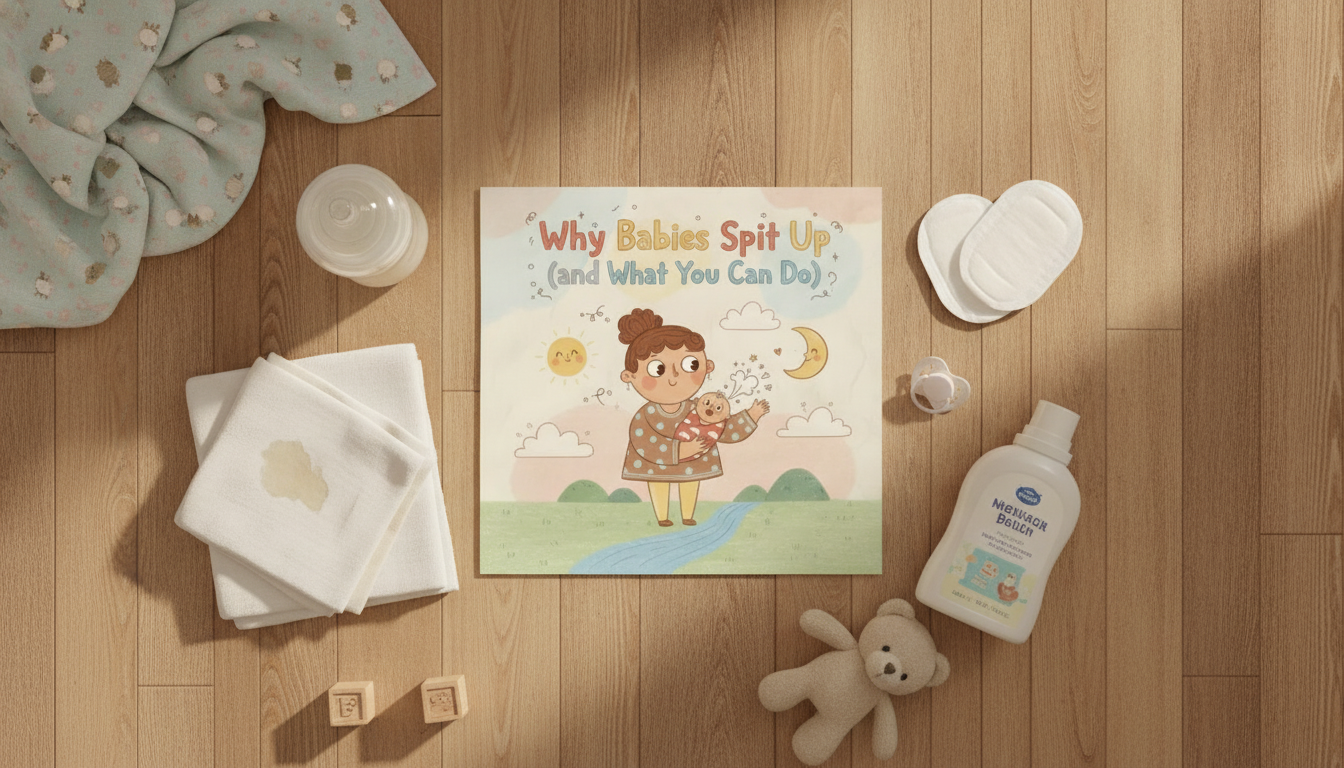
Why Babies Spit Up (and What You Can Do): A Practical Checklist for Calm Feedings
Spit-up is one of the most common newborn surprises. Most of the time it’s normal and improves as a baby grows, but it can feel constant—especially when it happens after every feeding. The good news: small tweaks to feeding pace, latch or bottle flow, burping, and positioning often make a noticeable difference within a few days. Below is a clear breakdown of what’s normal, what to try first, and when it’s time to call the pediatrician.
Spit-up vs. vomiting: what the difference looks like
Spit-up is usually effortless: milk dribbles or gently flows out soon after feeding, often with a burp. Vomiting is typically forceful: stomach contents project outward, and baby may look distressed before, during, or after.
Many “happy spitters” are comfortable, feed well, and gain weight steadily—despite frequent laundry. If you see forceful vomiting, green (bilious) fluid, blood, or repeated distress, contact a clinician promptly. Helpful overviews include guidance from HealthyChildren.org (American Academy of Pediatrics) and the Mayo Clinic.
Why it can happen after every feeding (common, usually harmless reasons)
If spit-up shows up after nearly every feed, it’s often a “perfect storm” of normal infant anatomy plus feeding mechanics:
- Immature valve at the top of the stomach: the lower esophageal sphincter relaxes easily in young babies.
- Fast milk flow: strong let-down, oversupply, or a bottle nipple that flows too quickly can overwhelm swallowing coordination.
- Swallowing air: a shallow latch, clicking while feeding, frequent unlatching, or a poor bottle angle can increase air intake.
- Overfeeding or “topping off”: taking more volume than the stomach can comfortably hold leads to overflow.
- Pressure on the belly: tight diapers, a slumped seated position right after feeding, or active play too soon.
- Normal reflux patterns: many babies peak around 3–4 months and improve as they sit, eat solids, and the valve matures.
Common triggers and small fixes to try first
| What you notice | Likely contributor | What to try for 2–3 days |
|---|---|---|
| Spit-up right after most feeds | Fast flow or too much volume | Shorter, more frequent feeds; slower-flow nipple; paced bottle-feeding |
| Gulping, coughing, milk leaking from mouth | Flow is too fast | Burp sooner; adjust breastfeeding position (more upright); check nipple size |
| Lots of burps, fussing during feeds | Swallowing air | Improve latch; keep bottle nipple full; burp midway and at end |
| Spit-up increases when laid down | Positioning and abdominal pressure | Hold upright 20–30 minutes after feeds; avoid tight waistbands |
| Spit-up with discomfort, back arching | Reflux irritation or sensitivity | Discuss with pediatrician; track timing, volume, and fussiness patterns |
What you can do today: a step-by-step spit-up routine
Try this routine consistently for a few days before changing everything at once. Small, steady adjustments make it easier to spot what’s actually helping.
When spit-up is not normal: red flags to watch for
If you’re unsure whether what you’re seeing is “normal reflux” or something more, a quick call can help sort out next steps. (For additional public health guidance, see the NHS overview on reflux in babies.)
Printable checklist: track patterns that make the next step clear
Quick daily tracking template (example)
| Feed time | Amount/side | Burped (Y/N) | Upright minutes | Spit-up (small/medium/large) | Baby comfortable? |
|---|---|---|---|---|---|
| 7:00 AM | 3 oz | Y | 25 | Small | Yes |
| 9:30 AM | L/R | Y | 20 | Medium | Mostly |
| 12:00 PM | 3.5 oz | N | 10 | Large | Fussy |
How the digital guide helps in the moment
During a rough day, it’s hard to remember what to try first (and what’s worth ignoring). The Why Babies Spit Up (and What You Can Do) printable checklist (digital download) lays out a simple decision path—what to adjust for 2–3 days, what to monitor next, and which symptoms should trigger a pediatrician call.
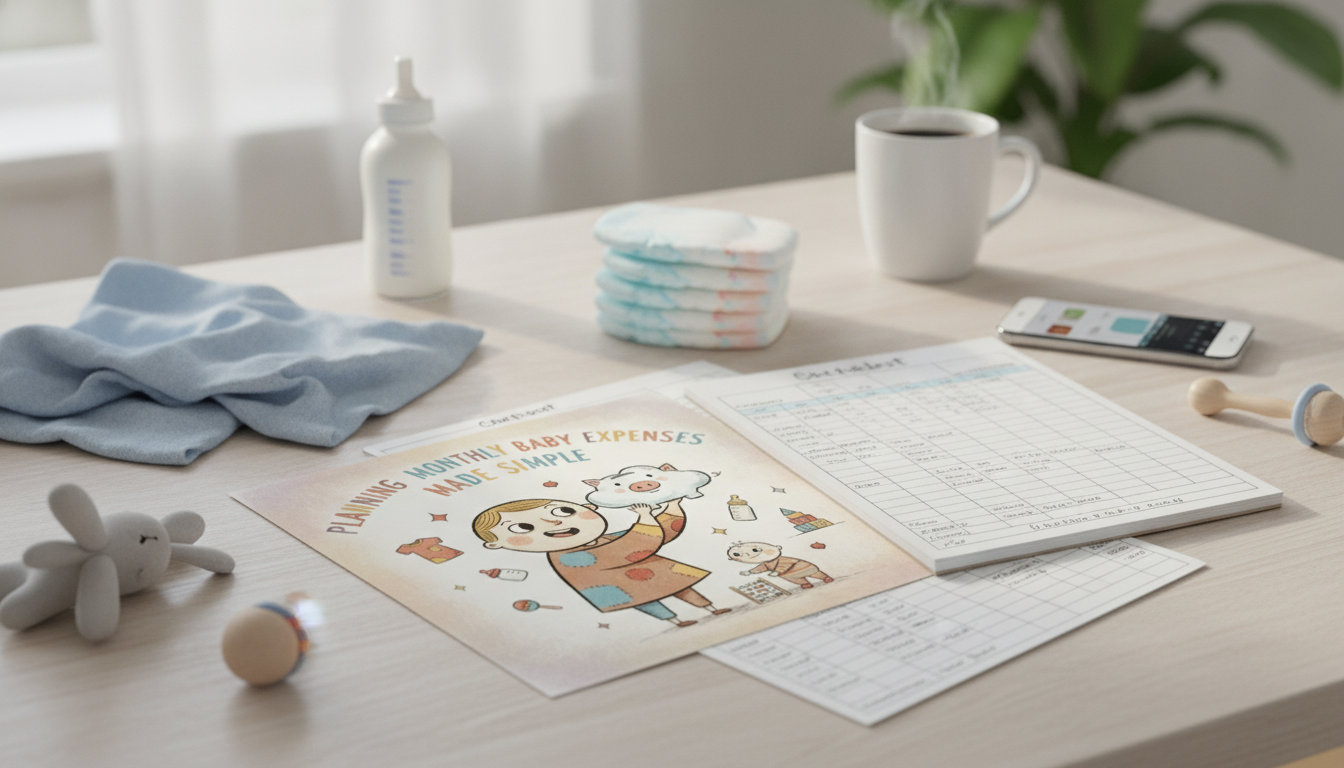
It includes printable pages that can live at the changing table or feeding station, plus space to note nipple flow changes, pumping details, or formula adjustments to discuss with a clinician. For a calmer overall routine, it can help to pair practical tracking with other small supports—like the gentle 2pc Wooden Baby Brush & Comb Set for post-bath wind-down—and, for the bigger picture, Planning Monthly Baby Expenses Made Simple (printable budgeting guide) to reduce “new parent overwhelm” outside feeding time.
FAQ
Why does my baby spit up after every feeding?
This is often normal reflux from an immature valve at the top of the stomach, plus common factors like fast milk flow, swallowed air, overfeeding, or slumped positioning after feeds. If weight gain and diaper counts are normal and baby seems comfortable, try 2–3 changes (slower flow, more frequent burping, and 20–30 minutes upright) for a few days to see what improves.
How long should a baby be held upright after feeding to reduce spit-up?
About 20–30 minutes of upright, supported holding after feeds helps many babies reduce immediate spit-up. Try to avoid slumped seated positions (like a car seat angle) right after feeding, and remember upright time is for awake, supervised time—not sleep.
When should spit-up make a parent call the pediatrician?
Call if there’s poor weight gain, dehydration signs, forceful or worsening vomiting, green vomit, blood, breathing problems, fever in a young infant, feeding refusal, or a sudden change from your baby’s usual pattern. These signs can point to something beyond typical reflux and should be assessed.











Leave a comment