Smart Shopping Mistakes: Avoid Hidden Costs & Bad Buys
What are the common smart shopping mistakes?
Smart shopping isn’t just about finding a low price—it’s about getting the right item, at the right time, with the right total cost. Common “smart shopping” mistakes often happen when shoppers rush, skip research, or focus only on the sticker price instead of the full value.
Chasing discounts without checking the real total
A big markdown can hide extra costs like shipping fees, return shipping, installation, accessories, or subscriptions. Before buying, compare the out-the-door price and the return policy, especially for bulky items and baby gear where returns may be restricted.
Buying the wrong version (or too much) too soon
Stockpiling or “upgrading” early can lead to wasted money when needs change—especially with fast-changing sizes, developmental stages, or limited storage space. A better approach is to prioritize near-term essentials and keep a short list for later purchases.
Skipping quality and safety checks on second-hand items
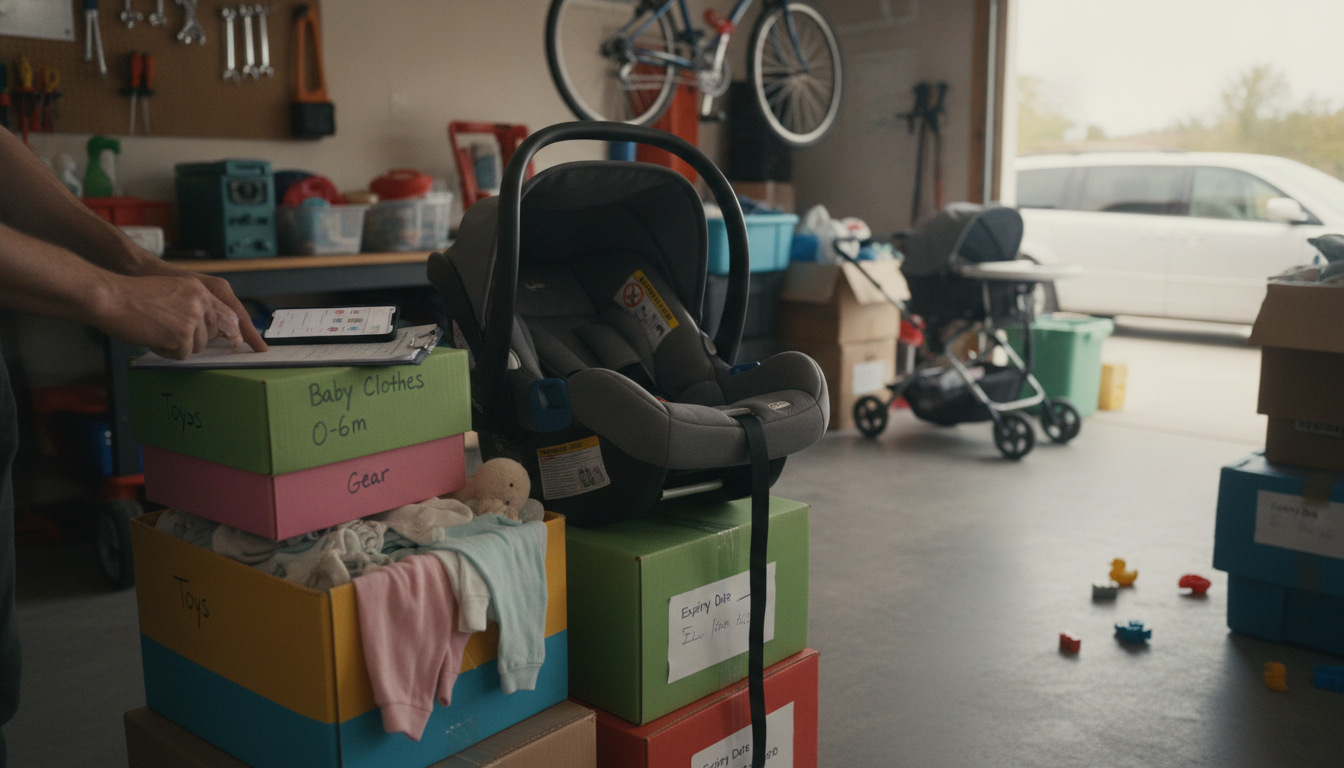
Used deals can be fantastic, but only when the item is safe, complete, and not recalled or expired. Common mistakes include buying missing parts, using gear with unknown crash history, or overlooking wear that affects function. For a practical breakdown of what’s typically safe to buy used versus what’s better new, see this guide to second-hand baby gear: what to buy used vs new.
Ignoring product compatibility and hidden “ecosystem” costs
Some purchases lock you into a brand’s accessories—replacement filters, proprietary parts, special batteries, or add-on bases. Check ongoing costs and compatibility (for example, whether a stroller works with your car seat model) before committing.
Letting urgency replace research
Impulse purchases happen when something breaks or a deadline hits. Keep a simple checklist: must-have features, budget ceiling, and minimum warranty/return terms. Even five minutes of comparison can prevent buying twice.
FAQ
How can I tell what baby items are safe to buy used?
Start by avoiding items with strict safety and hygiene concerns (like car seats with unknown history) and checking for recalls, missing parts, cracks, and broken mechanisms. When in doubt, choose new for items that protect breathing or prevent injury, and buy used for simpler gear you can thoroughly inspect and clean.











Leave a comment