Second-Hand Baby Gear: What to Buy Used vs New
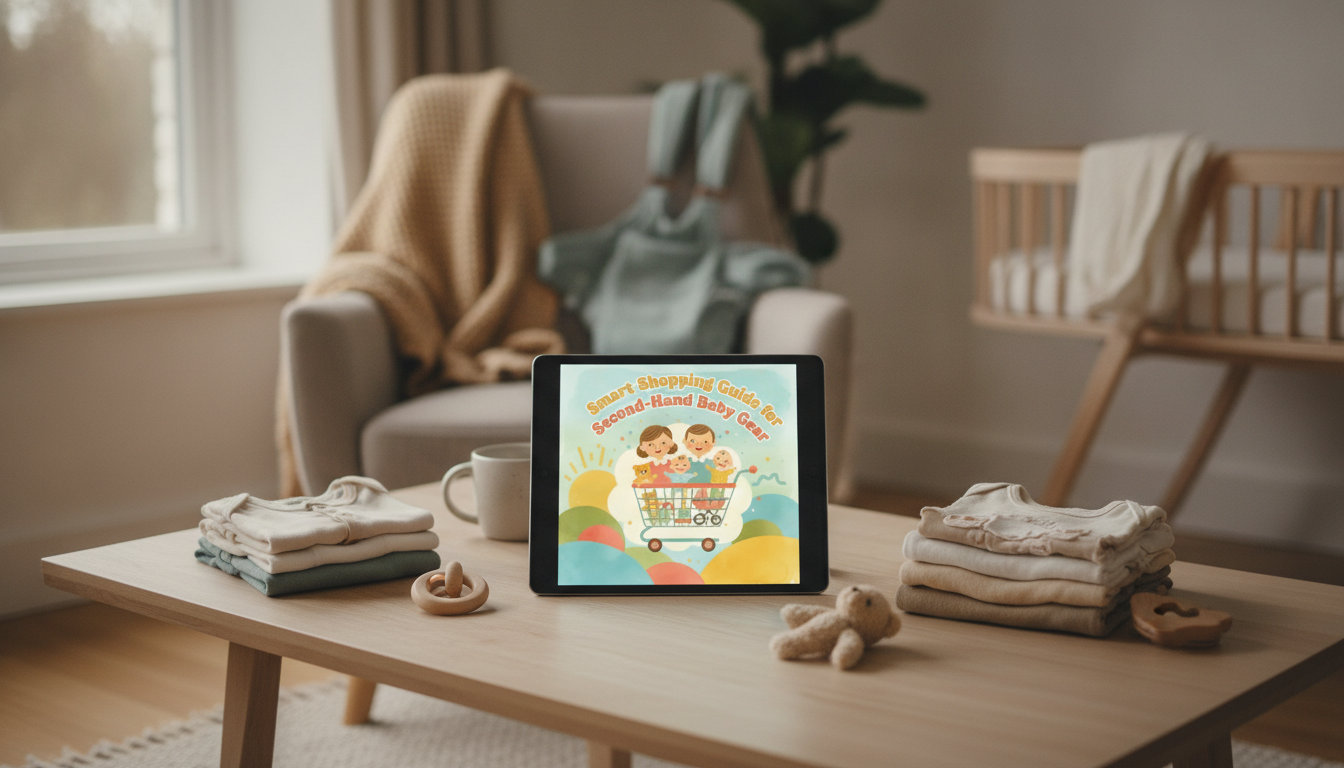
Smart Shopping Guide for Second-Hand Baby Gear: Safer Buys, Bigger Savings, Less Waste
Second-hand baby gear can cut costs dramatically and keep usable items out of landfills—but only when purchases are made with safety, hygiene, and current standards in mind. The goal is simple: buy used where wear is visible and fixable, and buy new where safety depends on hidden integrity or hard-to-verify cleanliness. Below is a practical system for deciding what to buy used, how to inspect items quickly, and how to clean and track purchases so essentials stay budget-friendly and low-waste without adding risk.
A simple decision rule before buying anything used
Before handing over cash (or clicking “Buy”), run every item through three questions:
- Is this item safety-critical? If failure could cause serious injury, the bar is higher.
- Can it be fully cleaned? If you can’t wash or disinfect it without damaging it, skip.
- Is the model still supported by current safety standards? You need labels, model info, and a clear way to check recalls.
In practice, sturdy and simple items tend to be the best second-hand wins: high chairs with intact restraints, baby carriers with strong stitching and working buckles, and solid wood toys with safe finishes. Be cautious with items that have hidden wear (internal foam, webbing, structural plastic) or complex safety systems.
If the manual is missing, the model number can’t be verified, or labels are damaged/peeled off, pass. Traceability is what allows recall checks and correct setup.
What to avoid buying second-hand (and why it’s not worth it)
- Car seats: Avoid unless the full history is known (no crashes, not expired, all parts present, labels intact). Expiration is common, and damage isn’t always visible. For car seat safety basics, see HealthyChildren.org (AAP).
- Crib mattresses and sleep surfaces: Hygiene, fit, and firmness standards are hard to verify second-hand; buying new reduces uncertainty.
- Wear-sensitive, high-contact parts: Pacifiers, teethers, and bottle nipples should be new—micro-tears and material breakdown are easy to miss.
- Older cribs and drop-side cribs: Even if “sturdy,” older designs and hardware may not meet modern safety expectations.
Fast inspection checklist for second-hand baby gear
Use a quick, repeatable inspection so good deals don’t become “mystery gear” at home.
Recall and safety standard check (quick workflow)
- Get the model info first. Without a model number and manufacture date, a recall check is guesswork.
- Check recalls before you pay when possible. Use the manufacturer’s site and the U.S. Consumer Product Safety Commission recall database.
- Request label photos in advance. For local pickups, ask the seller to text a clear photo of the label so you can verify it quickly.
- Avoid DIY fixes for safety gear. Only use manufacturer-approved replacement parts; improvised screws, clips, or straps can fail under load.
- Keep a simple record. Note the item, model, purchase date, source, and a screenshot/link showing no active recall at the time of purchase.
Where to shop and what to ask sellers
Clean and sanitize safely without damaging materials
For general guidance on cleaning and disinfecting at home, the CDC’s everyday cleaning steps are a helpful reference point. When it makes sense, replace low-cost, high-contact components (like removable liners or handle covers) to refresh hygiene without replacing the whole item.
Used vs. new: a practical buying map
| Category | Buy Used? | What to check | When to buy new instead |
|---|---|---|---|
| Stroller | Yes (often) | Brakes, frame cracks, wheel wobble, harness, recalls | If brakes slip, frame is bent, or model is untraceable |
| High chair | Yes | Stability, straps, tray lock, missing screws, recalls | If restraint system is worn or parts are missing |
| Baby carrier | Yes | Buckle function, stitching, fabric tears, fit adjustments | If stitching is frayed or buckles don’t lock reliably |
| Car seat | Usually no | Expiration date, labels, crash history, all parts, recalls | If any history is unknown or labels are missing |
| Crib mattress | No (recommended) | Firmness, hygiene, fit to crib, no sagging | Almost always—new is the safer default |
| Toys (hard) | Yes | No small loose parts, no peeling paint, easy to wash | If paint flakes, strong odor, or unknown materials |
Budget strategy: build a second-hand shopping plan that stays on track
Sustainable parenting without compromising safety
Tools that pair well with second-hand shopping
- Smart Shopping Guide for Second-Hand Baby Gear (eBook) for checklists and practical decision rules while you shop.
- Planning Monthly Baby Expenses Made Simple (printable budgeting guide) to keep “buy new” priorities funded without derailing your budget.
- Wooden Baby Brush & Comb Set as an easy-to-clean grooming basic that rounds out an essentials kit.
FAQ
Is it safe to buy second-hand baby gear?
Yes for many categories when the model can be identified, checked for recalls, inspected for damage or missing parts, and cleaned according to manufacturer guidance. Avoid items with unknown history where safety depends on hidden integrity, especially car seats and sleep surfaces.
How can recalls be checked quickly before buying?
Find the model number and manufacture date on the label, then check the U.S. CPSC recall database and the manufacturer’s recall/support page. Skip items with missing labels or unclear identification.
What baby items are best bought new even on a tight budget?
Car seats (unless the full history is known and it’s within expiration), crib mattresses/sleep surfaces, and pacifiers and bottle nipples are best purchased new. Offset the cost by buying strollers, high chairs, and clothing second-hand.






Leave a comment