Simple Family Budgeting With Kids: Allowance & Saving
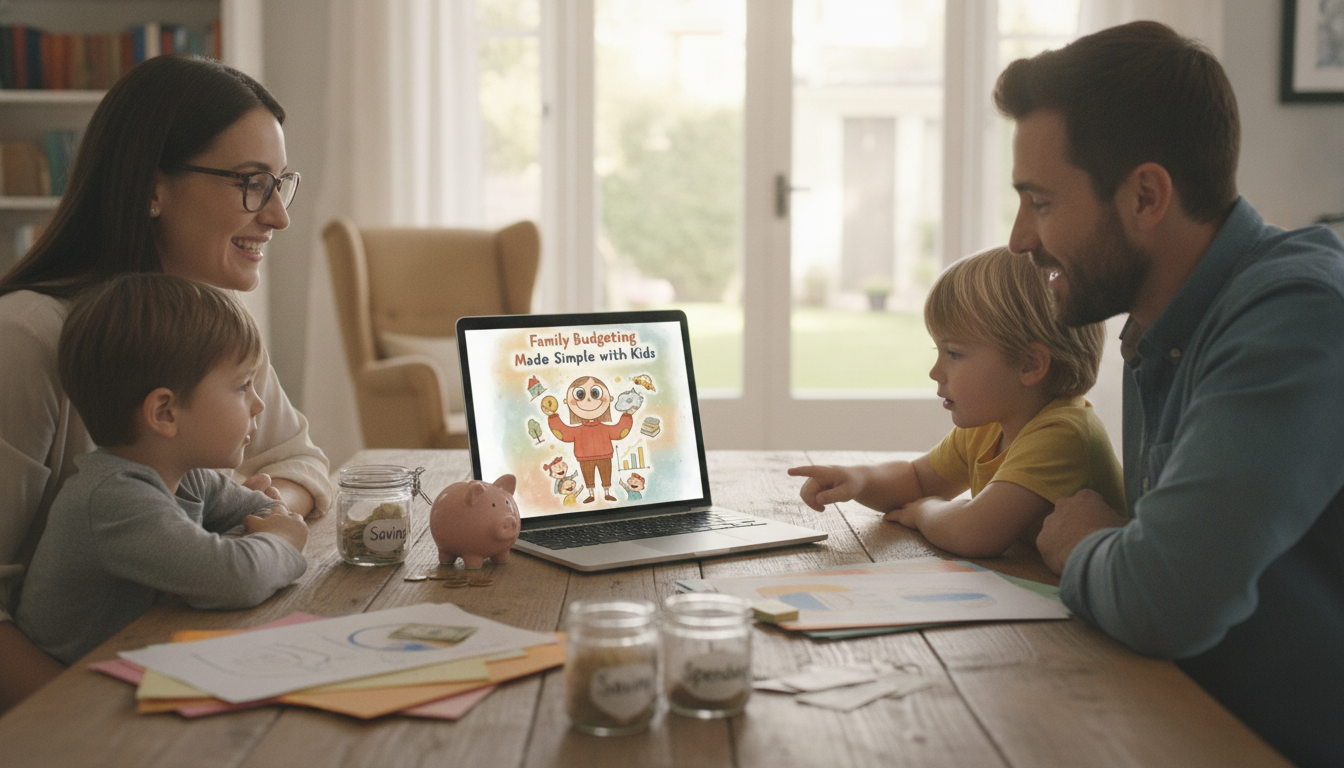
Family Budgeting Made Simple with Kids: Allowance, Saving, and Everyday Money Habits
A family budget works best when kids understand the plan and feel included in age-appropriate ways. With a simple routine, a clear allowance system, and a few easy tools, children can learn how to spend thoughtfully, save for goals, and recognize trade-offs—while parents keep household finances calmer and more predictable.
Start with a kid-friendly money routine
Kids don’t need a full household spreadsheet. What helps most is a consistent, short “money moment” that makes financial habits feel normal (not stressful).
- Set a weekly check-in (10–15 minutes) to cover one small topic: a spending choice, savings progress, or an upcoming expense.
- Use simple language: needs (must-haves), wants (nice-to-haves), and goals (something being saved for).
- Assign roles by age: younger kids can count coins or color a tracker; older kids can compare prices or plan a low-cost family activity.
- Keep it predictable: same day, same quick format, ending with one action step (update a tracker, decide a savings amount, plan a no-spend day).
Age-based money tasks kids can do at home
| Age range | Money skill | Simple activity | Parent tip |
|---|---|---|---|
| 4–6 | Recognizing money and choices | Sort coins and talk about one “need” vs one “want” | Praise good choices more than perfect math |
| 7–9 | Basic saving and goal-setting | Choose a goal and track progress weekly | Keep goals small and reachable (1–4 weeks) |
| 10–12 | Budgeting a small amount | Plan a snack budget for the week | Let natural consequences teach (within safe limits) |
| 13–18 | Planning and comparing trade-offs | Create a simple monthly budget for discretionary spending | Teach checking accounts, fees, and digital safety |
Build a family budget that kids can understand
Many budgeting methods work, but kids usually grasp a “bucket” approach faster than line-by-line details. The goal is to show structure without oversharing private numbers.
- Start with a four-bucket view: Essentials (housing/food), Goals (savings/debt), Flexible (fun/optional), and Future (big upcoming items).
- Pick one visible line item that affects them—school lunches, activities, streaming, or family outings—so budgeting feels real.
- Choose one family priority for the month (saving for a trip, reducing takeout) and connect it to one simple rule everyone follows.
- Use a visual progress bar or sticker tracker for shared goals to keep motivation high.
For extra support and ready-to-use pages that keep the routine short, the Family Budgeting Made Simple with Kids (printable digital download) is designed around quick weekly check-ins, allowance categories, and kid-friendly savings goals.
Make allowance a teaching tool (not a negotiation)
Allowance works best when it’s predictable and clearly defined—less like a debate, more like a simple system kids can learn from.
- Choose an approach: fixed weekly amount, earned allowance for extra tasks, or a hybrid model with clear boundaries.
- Define what allowance covers (small treats, toys, gifts for friends) versus what parents cover (core needs).
- Use a three-part split for each payment: Spend, Save, Give (or Share). Adjust percentages by age and goals.
- Pay on the same schedule and avoid “advances” when possible; consistency teaches planning.
- Add a guardrail for impulse buys: wait 24 hours for non-essential purchases over a set amount.
If a child spends quickly, that doesn’t mean allowance “failed.” It means the lesson is working—now the system can add one small speed bump (like the 24-hour rule) so they practice pausing before buying.
Teach saving with goals kids care about
Saving becomes meaningful when the goal is specific and the finish line is visible.
Helpful, age-appropriate resources are also available from the Consumer Financial Protection Bureau (CFPB) and FDIC Money Smart, which include practical activities families can use at home.
Use printables and trackers to keep it simple
A ready-to-use guide for parents: budget routines, allowance, saving, and kid-friendly worksheets
For families who want a straightforward setup without reinventing the wheel, Family Budgeting Made Simple with Kids | Printable Digital Download eBook includes printable pages for quick weekly check-ins, allowance tracking, and savings goals that scale from early elementary through the teen years.
If you’re also planning for a new baby and want a simple way to map out monthly costs, Planning Monthly Baby Expenses Made Simple (printable budgeting guide) can help organize recurring categories so the household budget feels less reactive.
What you can set up in one weekend
| Step | Time | What to do | Result |
|---|---|---|---|
| Choose allowance rules | 15 min | Decide amount, schedule, and what it covers | Fewer arguments and clearer expectations |
| Pick one savings goal | 10 min | Help each child choose a goal and deadline | Motivation and visible progress |
| Start a weekly check-in | 10 min | Same day/time, update trackers, pick one action | A routine that sticks |
| Print or save worksheets | 10 min | Set up a binder or digital folder | Everything in one place |
Common roadblocks (and quick fixes)
FAQ
What age should kids start learning about budgeting?
Start in preschool with needs vs. wants and simple coin counting. Around ages 7–9, add a small savings goal; by 10–12, introduce a budget they manage; teens can practice monthly planning and digital money safety.
How much allowance is reasonable?
A reasonable amount depends on your budget, your child’s age, and what the allowance is meant to cover. Pick an amount that lets them practice without creating hardship, and keep the schedule consistent so planning skills develop.
Should allowance be tied to chores?
Either approach can work as long as the rules are clear. Many families keep basic chores as part of contributing to the household and use allowance to teach budgeting, while paying for extra tasks can teach earning.











Leave a comment