Penguin Silicone Sippy Cup for Easy, Mess-Less Sips
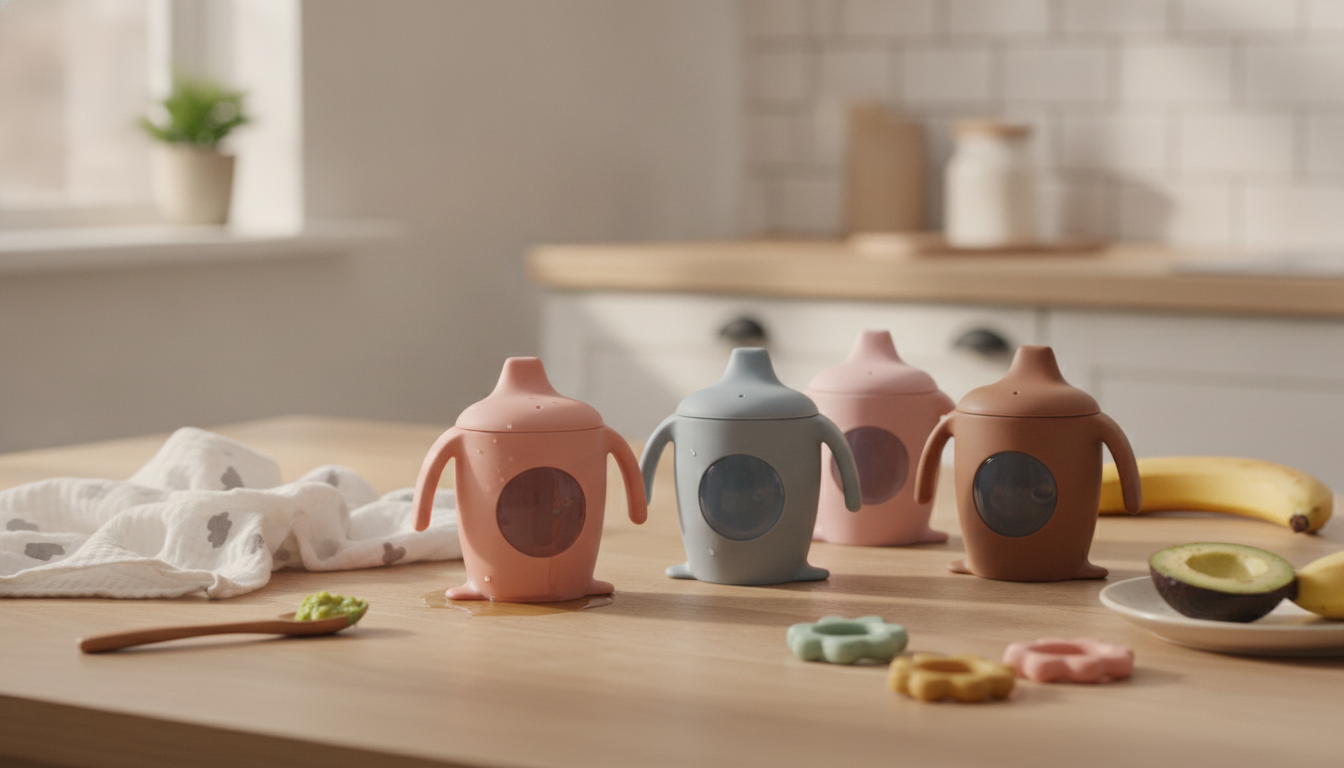
Penguin-Shaped Silicone Baby Sippy Cup: A Cute, Practical Step Toward Independent Drinking
A sippy cup can do more than hold water—it can help build confidence, reduce messes, and make practice time feel fun. A penguin-shaped silicone baby sippy cup is designed to be easy to grip, gentle on gums, and simple to clean, making it a helpful choice for babies and toddlers learning to drink on their own.
Why penguin-shaped silicone cups work well for early sipping
Early drinking practice goes best when a cup feels friendly and manageable. A playful penguin shape can turn “try a new cup” into a mini activity, which helps many little ones stay engaged long enough to learn the basic motions—holding, tipping, and sipping.
- Playful shape encourages exploration: Curious babies often want to hold and inspect a character-like cup, which creates more chances to practice.
- Soft silicone is gentle on gums: When teeth are emerging, a softer drinking surface can feel more comfortable than hard edges.
- Grippy, squeezable body supports small hands: Silicone’s slight “give” can be easier to hold than rigid plastic, especially during the early weeks of self-feeding skills.
- Flexible use across routines: It can work for quick water breaks, milk at meals (when recommended by a pediatrician), and transitional sipping practice.
If you’re shopping for a simple starter cup, the Penguin-Shaped Silicone Baby Sippy Cup is a charming option that fits neatly into everyday practice.
Safety and material checklist (what to confirm before daily use)
Because a cup is used frequently and washed often, it’s worth taking a minute to confirm the basics. The safest cup is the one that’s well-made, properly maintained, and used in a routine that supports healthy drinking habits.
- Food-grade silicone + clear instructions: Look for clear labeling on materials, cleaning guidance, and any temperature limits.
- Easy to fully disassemble: Hidden moisture around valves, straws, or spout inserts can lead to lingering odors or buildup.
- Smooth seams and sturdy drinking parts: Check the spout/straw area for any thin spots that could tear over time.
- Replace at the first signs of wear: Discard if you notice tears, persistent odor, sticky residue that won’t wash away, or warped components.
- Use planned drink breaks: Rather than sipping continuously all day, offer drinks at meals and scheduled breaks to support tooth-friendly routines.
For general guidance on moving from bottle to cup, the American Academy of Pediatrics provides age-appropriate tips at HealthyChildren.org.
Getting started: transitioning from bottle to sippy without stress
The smoothest transitions happen when the cup is introduced as a “new skill,” not a sudden replacement. Keeping the first sessions calm and predictable can make babies more willing to try.
- Start with water during a relaxed time of day: Water feels low-pressure and is easier to clean during early experiments.
- Use a gradual handoff: Offer a few sips from a familiar bottle/cup, then introduce the sippy cup for a short, positive try.
- Model the motion: Tip the cup slowly and show a sip; little ones often learn quickly through repetition.
- Keep sessions short: A few minutes of practice beats a long, frustrating attempt—especially when spills happen.
- Plan for real-life logistics: For daycare or outings, pack a backup cup and a small cloth so a leak doesn’t derail the whole trip.
Care and cleaning routine to keep silicone fresh
Silicone is durable and family-friendly, but it can hold onto smells if residues linger. A simple routine helps keep the cup tasting fresh, especially when milk or smoothies are in the mix.
At-a-glance comparison: silicone vs plastic vs stainless for little kids
| Material | Best for | Potential downsides | Care tips |
|---|---|---|---|
| Silicone | Beginner sipping, gentle feel, quieter drops | Can hold odors if not dried fully | Disassemble, scrub drinking parts, air-dry completely |
| Plastic | Lightweight backups, travel spares | Scratches can trap residue; may discolor | Avoid abrasive scrubbers; replace if scratched |
| Stainless | Long outings, temperature retention | Heavier; dents if dropped | Check seals; dry lid components thoroughly |
To align cup choices with broader feeding and hydration guidance, the CDC’s infant and toddler nutrition resources are a helpful reference: CDC — Infant and Toddler Nutrition.
Tips for fewer leaks and less mess
Pairing the cup with simple daily routines
- Morning: Offer water after brushing teeth to reinforce a consistent start.
- Mealtimes: Keep the cup within reach so babies practice grasping and bringing it to the mouth.
- Outings: Pack the cup in an easy-clean pouch and rinse at the first chance to prevent sticky buildup.
- Bedtime: Follow pediatric guidance on nighttime drinks and tooth care; avoid leaving any cup in the crib.
- Gifting: Pair a cup with gentle care essentials—like the 2pc/set Wooden Baby Brush & Comb Set—for a practical baby-care bundle.
If you’re building a small “daily essentials” kit for home and travel, combining the Penguin-Shaped Silicone Baby Sippy Cup with a comfort item and a spare can make busy days smoother.
FAQ
What age is a silicone sippy cup good for?
Many babies can start practicing with a sippy cup around 6 months, but readiness varies. Look for signs like sitting with support and bringing objects to the mouth, and follow pediatric guidance for feeding milestones.
How do silicone cups stop smelling like milk?
Rinse promptly, wash thoroughly (including valves/straws), and let every piece air-dry completely before reassembling. If odor persists, a baking-soda-and-water soak may help if the manufacturer allows it, and worn parts should be replaced.
How can leaks be prevented in a toddler sippy cup?
Make sure the lid is aligned and fully seated, avoid overfilling, and double-check seals or valves for proper placement. Test with water before tossing it into a diaper bag to confirm the cup is closing correctly.









Leave a comment