Love After Baby: 10-Minute Ways to Stay Connected

Love After Baby: Simple Ways to Stay Connected
A new baby changes routines, energy, and emotions—often all at once. Staying close as partners usually requires smaller, more consistent connection habits rather than big romantic gestures. This guide focuses on practical ways to protect friendship, teamwork, and intimacy during the postpartum season.
Why connection feels harder after a baby
Many couples feel surprised by how quickly “us” turns into “operations.” That doesn’t mean anything is broken—it often means your relationship is doing a lot of heavy lifting.
- Sleep loss reduces patience, empathy, and motivation to initiate affection.
- Roles shift fast: partners may feel like coworkers managing a household instead of a couple.
- Physical recovery and body changes can affect touch, desire, and confidence, especially with feeding schedules and healing.
- Mental load increases: remembering supplies, appointments, and plans can crowd out emotional closeness.
- Expectation mismatches (who does what, how often, and when) can snowball into resentment.
The daily 10-minute connection plan
When energy is low, the best plan is the one you can repeat. Pick a predictable window—after the first nap, after dinner cleanup, or right before bed—then keep it intentionally short.
- 2 minutes: Appreciation (one specific thing you noticed today; not general praise).
- 6 minutes: Check-in (each answers: “What felt heavy today?” and “What felt good today?”).
- 2 minutes: Plan (agree on one tiny support action for tomorrow).
The goal isn’t a deep relationship summit—it’s staying emotionally in the same room, even on depleted days.
A simple weekly rhythm for staying close
| Day | 10-minute focus | Example prompt | Small action |
|---|---|---|---|
| Mon | Reset expectations | “What’s one thing we can simplify this week?” | Pick one task to drop or delay |
| Tue | Appreciation | “What did you do today that helped me most?” | Send one supportive text |
| Wed | Household teamwork | “Where are we getting stuck?” | Reassign one task for 7 days |
| Thu | Friendship | “What made you laugh lately?” | Watch 10 minutes of something light together |
| Fri | Intimacy check-in | “What kind of touch feels good right now?” | Agree on one low-pressure cuddle plan |
| Sat | Micro-date | “What would feel like a break for you?” | 20-minute walk or porch tea |
| Sun | Repair + gratitude | “Anything to clear up before the week starts?” | Quick apology + one thank-you |
Sharing the load without keeping score
Resentment usually grows where responsibilities are unclear. A few small systems can prevent the “Why am I the only one noticing?” spiral.
- Replace “helping” language with owning: each partner owns specific recurring tasks (not just “assist when asked”).
- Hold a 15-minute weekly logistics meeting to prevent daily nagging and last-minute surprises.
- Use a visible shared list (notes app or whiteboard) for recurring chores, baby supplies, and appointments.
- Aim for fairness over equality: the “right split” changes week to week depending on sleep and recovery.
- When resentment rises, ask: “What do you need that you’re not getting?” before debating details.
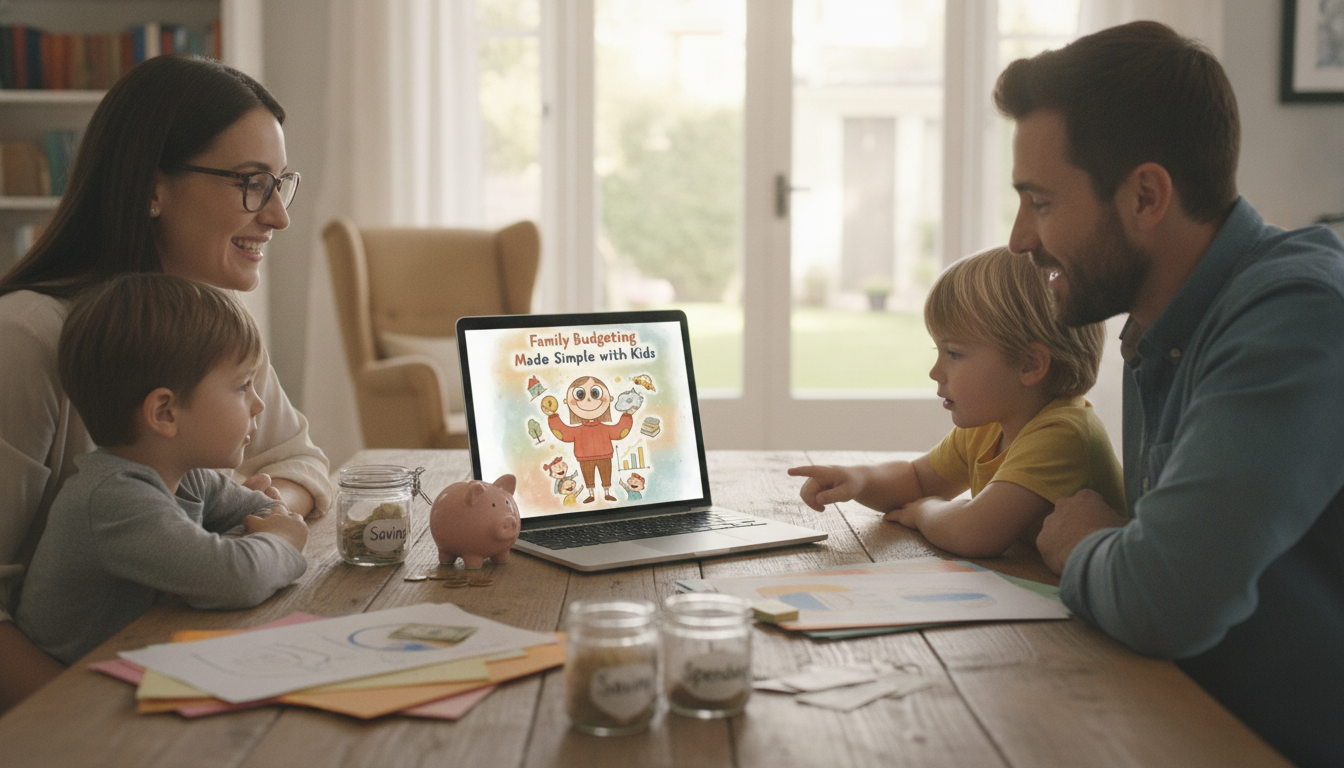
If budgeting stress is part of the mental load, a simple plan can free up emotional bandwidth. The Planning Monthly Baby Expenses Made Simple | Printable Budgeting Guide for New Parents is a quick way to get expenses, checklists, and expectations into one shared place.
Affection and intimacy when bodies and hormones are changing
Postpartum intimacy is often less about “getting back to normal” and more about creating a new, temporary normal that feels safe and connected.
- Create a touch menu with three levels: comforting (hand-holding), warm (cuddling/kissing), sensual (sexual intimacy).
- Normalize a pause: it’s okay for one partner to want closeness without sex; clarity reduces pressure and misunderstandings.
- Focus on starter intimacy: small kisses, sitting close, a hug that lasts 20 seconds, or a shoulder rub.
- Plan intimacy like any other priority during the newborn phase—spontaneity often returns later.
- If pain, dryness, or anxiety shows up, treat it as a health concern, not a willpower issue; consider professional guidance.
If you want structured prompts you can use when you’re too tired to “find the words,” keep a simple guide nearby. Love After Baby: Simple Ways to Stay Connected – Relationship Guide with Tips for Keeping Relationship Strong After Baby is designed for small, realistic steps you can repeat week to week.
Communication that prevents blowups at 2 a.m.
Nighttime arguments aren’t usually about the last bottle or diaper—they’re about exhaustion plus feeling alone in the load. A few “tired-friendly” tools can lower the temperature fast.
Micro-dates that fit the newborn season
When extra support is the strongest choice
Helpful references include ACOG’s guidance on postpartum depression, the American Psychological Association overview for parents, and research-based tools for new parents from the Gottman Institute.
A simple relationship guide to keep on the nightstand
FAQ
How soon do couples usually feel normal again after having a baby?
Many couples experience the first 3–6 months as a survival season, with steadier routines returning as sleep improves. The timeline varies widely based on recovery, feeding, support, and mental health.
What if one partner wants intimacy and the other doesn’t?
Have a pressure-free conversation about comfort and needs, then use a “touch menu” to keep closeness possible without forcing sex. If distress, pain, or anxiety persists, medical or counseling support can help.
How can partners stop fighting about chores and the mental load?
Shift from “helping” to clear task ownership, hold a weekly 15-minute logistics meeting, and keep a shared visible list. When tension rises, ask what support is missing before debating the details of who did what.










Leave a comment