Montessori Wooden Train Set: A Skill-Building Toy
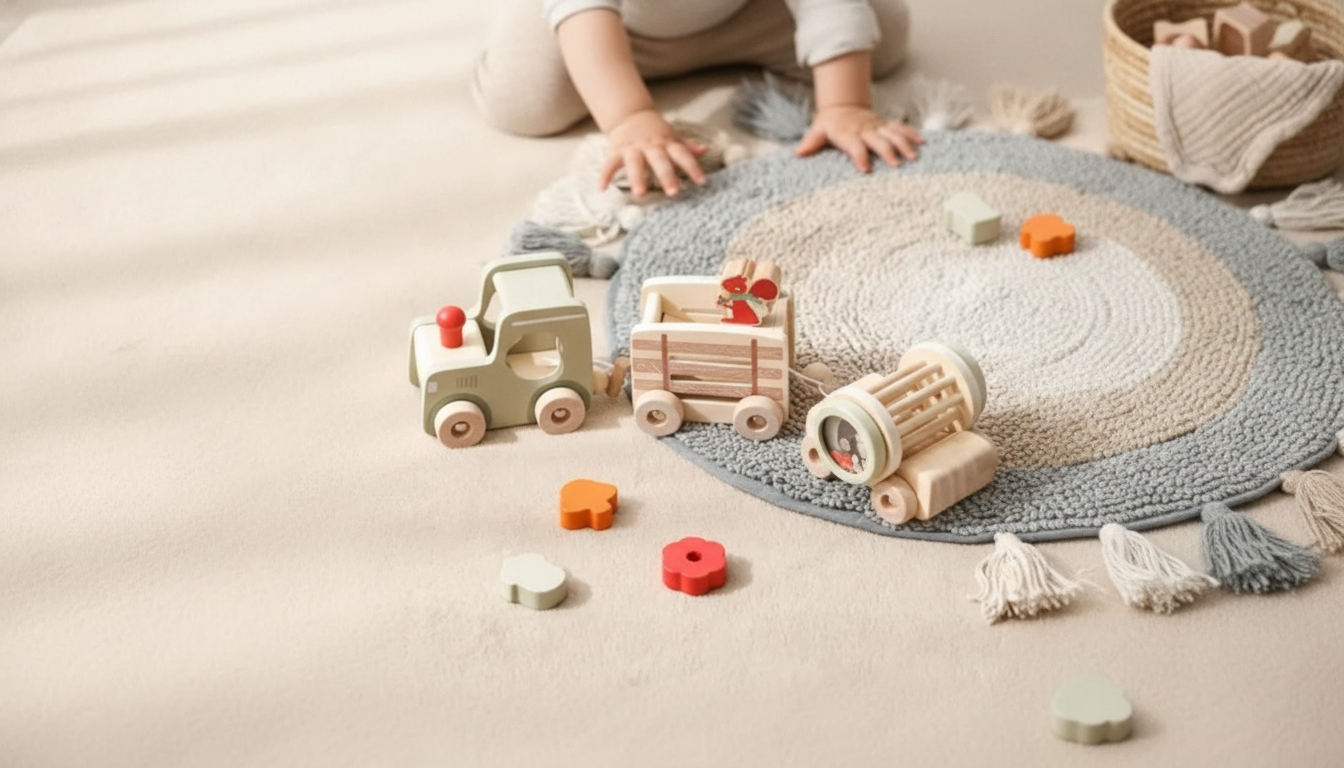
Wooden Montessori Train Toy for Toddlers: Educational, Multifunctional Play That Grows With Them
A wooden train playset can be more than a push-along toy: it can support early problem-solving, fine-motor practice, language growth, and calm, focused play. A Montessori-style approach keeps the play hands-on, open-ended, and easy for little ones to repeat—without needing batteries or constant adult direction. Below is what to look for in a multifunctional set, how toddlers build skills through everyday train play, and simple ways to set it up so it actually gets used.
What Makes a Montessori-Style Wooden Train Set Different
Montessori-inspired toys are designed to invite discovery, not deliver a scripted “right way” to play. With a wooden train set, that difference shows up in several practical ways.
- Purposeful, hands-on design: Toddlers learn by moving pieces, matching, stacking, and testing cause and effect (connect, pull, disconnect, try again).
- Open-ended play: A train can become a delivery vehicle, a counting line, a color-sorting game, or part of a pretend “town.”
- Self-correction: Pieces that only fit certain ways encourage toddlers to notice, adjust, and persevere with less adult “fixing.”
- Calmer sensory profile: Natural textures and moderate sound levels can help kids stay focused longer than many flashing, noisy toys.
Playset Highlights to Look For in a Multifunctional Train Toy
Not all wooden trains are built the same. If the goal is a set that lasts through multiple stages, prioritize features that support repeat play and easy independence.
- Sturdy wooden construction: Smooth edges, solid joins, and wheels that roll well matter for repeated pushing, pulling, and stacking.
- Multiple play modes: Look for options like stacking blocks on cars, shape matching, or detachable “cargo” pieces to extend interest as skills develop.
- Toddler-friendly connections: Couplers should be easy to connect/disconnect, helping kids practice bilateral coordination (two hands working together).
- Appropriate sizing: Pieces should be easy for small hands to grasp while minimizing choking risk—avoid tiny removable parts for younger toddlers.
- Finish quality: Choose non-toxic coatings, no strong odors, and paint that holds up to normal play.
- Easy cleanup: A set that packs down quickly makes it easier to rotate toys and avoid overwhelm.
If you’re shopping for a gift or upgrading playtime, the Wooden Montessori Train Toy for Toddlers – Educational & Multifunctional Playset is a practical choice for everyday play because it supports skill-building without needing extra accessories to stay interesting.
Skills Toddlers Practice During Everyday Train Play
The biggest learning happens in small, repeatable actions—connecting cars, placing cargo, and rolling the train to a “station.” These simple moves stack into real developmental wins.
- Fine motor: Grasping, placing, stacking, and connecting train cars strengthens finger and hand control.
- Hand–eye coordination: Lining up cars, aiming connectors, and placing pieces precisely builds visual-motor planning.
- Early math: Counting cars, comparing sizes, sorting colors/shapes, and making simple patterns (ABAB) can happen naturally during setup.
- Language: Naming parts (engine, car, cargo), using prepositions (on, under, behind), and storytelling (“Where is the train going?”).
- Executive function: Planning routes, completing a build sequence, and learning to pause and adjust when pieces don’t fit.
Age-by-Age Play Ideas (Short Sessions That Add Up)
Keep sessions brief and repeatable—5 to 15 minutes is plenty. Ending while it’s still fun often leads to more consistent play later.
| Age range | Focus skill | Try this activity | Keep it frustration-free |
|---|---|---|---|
| 12–18 months | Gross + fine motor | Push the engine to a “station” (a pillow), then park it | Use 1–2 cars only |
| 18–24 months | Matching + independence | Connect two cars and match cargo colors | Offer two choices, not all pieces at once |
| 2–3 years | Early math + sequencing | Count cars, make a color pattern on each car | Let the toddler “check” the pattern |
| 3+ years | Language + cooperative play | Tell a story: pick-up, delivery, return | Assign roles and switch after 5 minutes |
Simple Montessori-Inspired Setup at Home
Safety and Material Checklist for Toddler Wooden Toys
Wooden toys are often chosen for durability, but safety still depends on good design and regular checks. For broader toy safety guidance, visit the CPSC toy safety resources and the American Academy of Pediatrics toy safety tips.
Care, Cleaning, and Keeping the Set Looking New
When This Train Playset Makes a Great Gift
- First “big kid” toy: A satisfying choice for birthdays around 1–3 years when toddlers are eager for independence.
- Low-screen, high-replay: Works well for quiet time, playdates, or rainy-day routines.
- Easy to bundle thoughtfully: Pair the train set with a practical daily-care item like the 2pc/set Wooden Baby Brush & Comb Set for a balanced, useful gift.
- Helpful for home “travel days”: Short, repeatable challenges can fill 10–15 minute gaps without needing batteries.
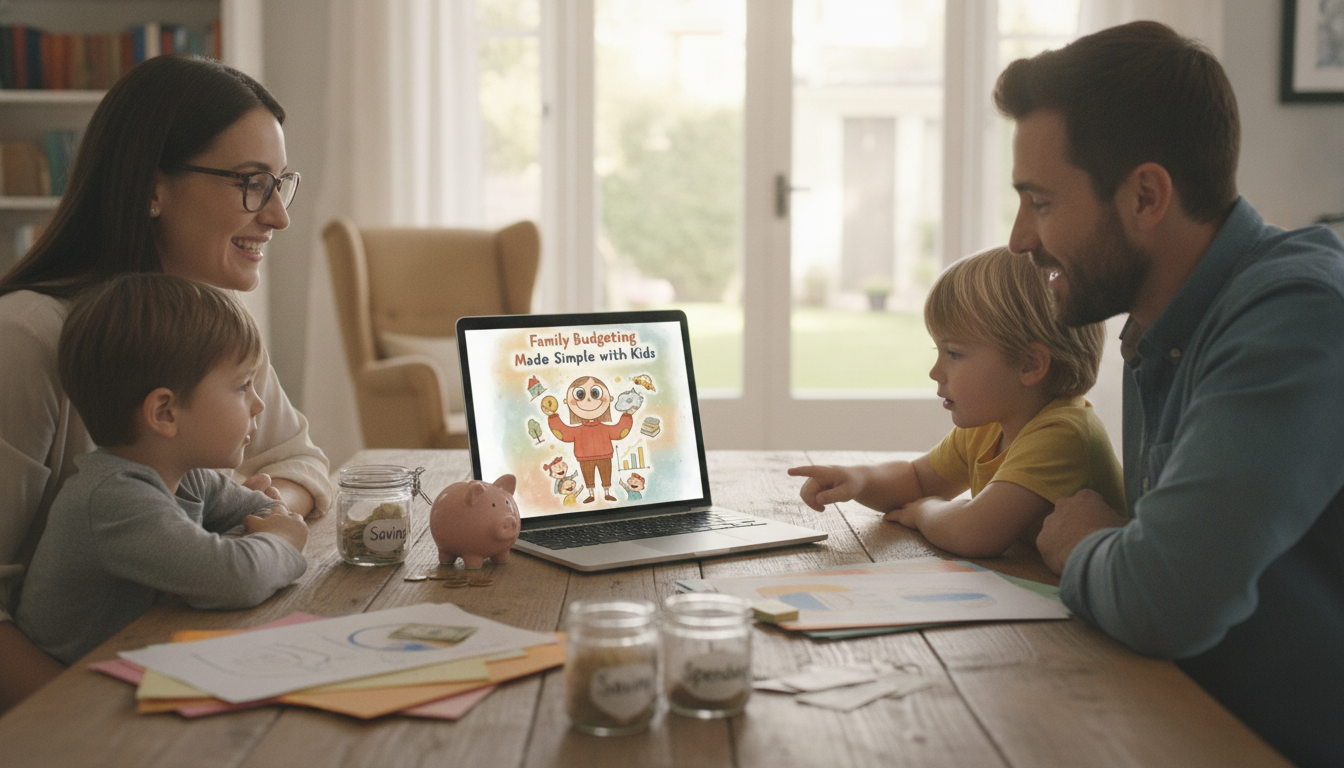
For caregivers planning ahead, a small add-on like Planning Monthly Baby Expenses Made Simple | Printable Budgeting Guide for New Parents can make a gift bundle feel supportive beyond playtime.
FAQ
What age is a wooden Montessori train toy best for?
Many wooden Montessori-style train sets work well from about 12 months through 3+ years, with play evolving from simple push-and-roll to sorting, patterns, and storytelling. Always follow the product’s stated age guidance and supervise younger toddlers, especially if pieces are mouthed.
How do you clean wooden toddler toys safely?
Wipe with a slightly damp cloth for daily cleaning, use mild soap for sticky spots, and dry right away. Avoid soaking the wood or using harsh disinfectants, and regularly inspect for cracks, splinters, or loose parts.
How can a train playset support learning without turning play into a lesson?
Keep play child-led and add light prompts only when it fits: count cars naturally, name colors during setup, and sort pieces during cleanup. Short sessions with simple choices tend to build skills while preserving the fun.








Leave a comment