Toddler Jealousy: Calm Scripts, Boundaries & Repair
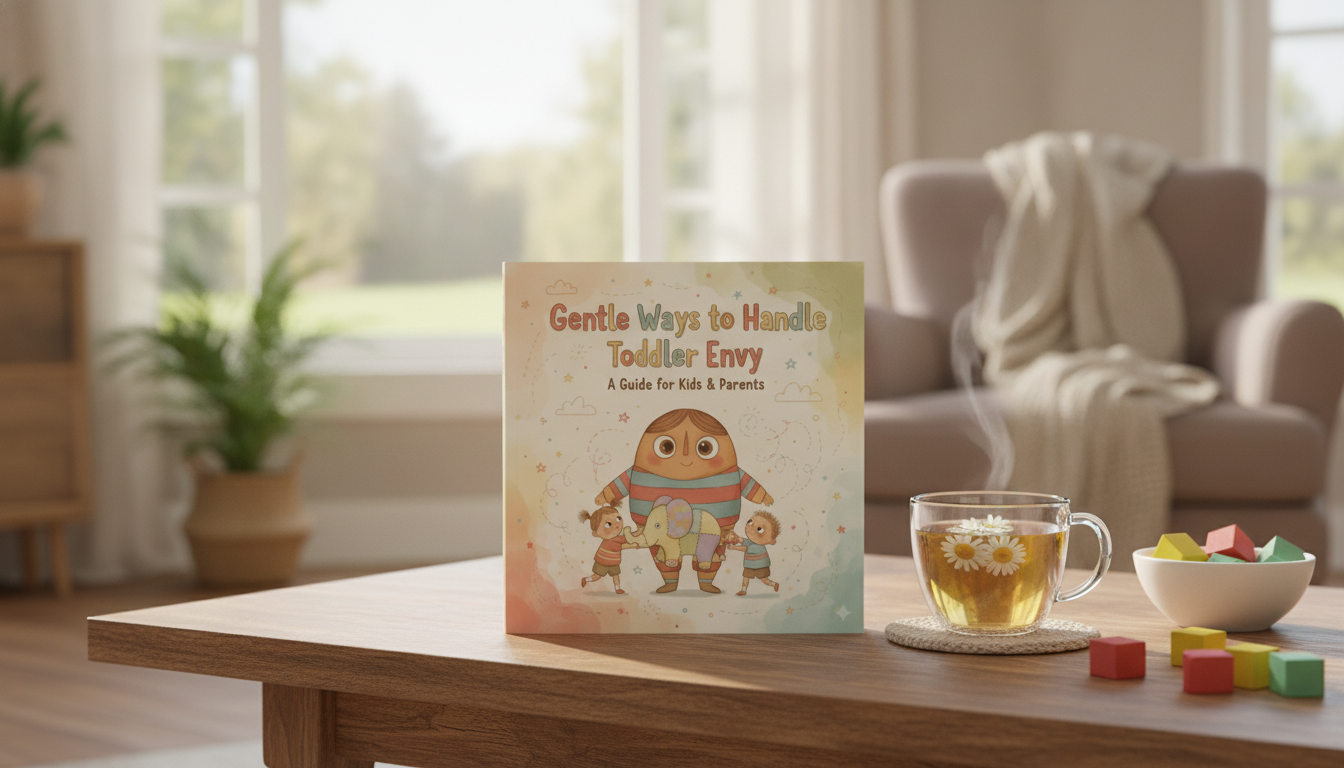
Gentle Ways to Handle Toddler Envy With Calm, Positive Solutions
Toddler envy can show up as grabbing, whining, pushing, “mine!” meltdowns, or sudden clinginess—especially around siblings, playdates, or when adults are busy. A gentle approach focuses on safety, connection, and coaching skills toddlers don’t yet have: naming feelings, waiting, sharing attention, and repairing after conflicts. With consistent, simple responses, many kids move from “I need it now” to “I can ask, wait, and try again.”
What Toddler Envy Looks Like (and What It’s Really Saying)
Envy in toddlers is often loud and physical because their impulse control and language are still under construction. Common signs include snatching toys, interrupting, regressions (baby talk, accidents), aggression toward siblings, or refusing affection when a parent holds another child.
Underneath, the message is usually: “I’m scared I’m losing closeness,” or “Waiting feels impossible.” Toddlers also develop a strong sense of “fairness” before they have the skills to negotiate, trade, or tolerate disappointment. Reframing helps: envy is a signal for support and skill-building, not a character flaw.
Jealousy tends to spike during big transitions—new baby, daycare start, potty training, moving, or travel—when a toddler’s need for predictability is high. During those weeks, aim for shorter expectations and more connection “touch points.” For broader guidance on toddler social-emotional development, helpful resources include CDC Positive Parenting Tips (Toddlers) and Zero to Three.
Preventing Envy Spirals Before They Start
Prevention works best when it’s boring and predictable. Small routines done daily can reduce the intensity of envy moments.
Build “connection anchors”
Schedule 5–10 minutes of child-led play at the same time each day (after breakfast, after daycare, or right before bath). This is not a reward for “good behavior”; it’s steady fuel that lowers attention-seeking later.
Name the pattern early
Use a simple, accurate reflection before things escalate: “It’s hard when I’m talking to someone else. You want my eyes on you.” Naming it early can prevent the grab/push/whine chain reaction.
Give proactive roles
During sibling care, offer meaningful helper jobs: hold wipes, choose pajamas, carry a diaper, pick a song for the baby. Belonging reduces the urge to compete.
Reduce toy competition in shared spaces
Create a “yes space” where conflicts are less likely: limit a few high-conflict toys, offer duplicates of favorites when possible, and keep “special” items in a separate bin for solo play.
Practice turn-taking when calm
Use a timer for short turns and repeat a simple script: “My turn, your turn.” Practice during low-stakes play so it’s easier to use when emotions run hot.
Calm Responses in the Moment: Safety, Connection, Then Coaching
When envy erupts, the goal is not a perfect lesson—it’s quick safety and steady leadership.
Step 1 — Safety
Block hitting or throwing with a calm, firm boundary: “I won’t let you hit.” Separate bodies if needed without shaming, lecturing, or raising the emotional temperature.
Step 2 — Connection
Get low, soften your voice, and reflect feelings: “You really wanted that. You’re upset.” This isn’t approval; it’s helping your toddler feel understood so their nervous system can settle.
Step 3 — Coaching
Offer one simple next step: “Hands to self. Ask for a turn.” Keep language short; toddlers can’t process long explanations while dysregulated.
Repair after conflict
| Situation | What to Say | What to Do Next |
|---|---|---|
| Toddler grabs a toy | “You want it. Grabbing hurts. Say: ‘Turn, please.’” | Help return it, set a short timer, offer an alternative toy |
| Toddler pushes a sibling | “I won’t let you push. You want me close.” | Move sibling to safety, sit with toddler, offer a helper role |
| Interrupting adult conversation | “You need my attention. Put your hand on my arm.” | Place hand cue, acknowledge in 5–10 seconds, then follow through |
| Meltdown when parent holds baby | “You miss me. I’m here. I’ll hold you next.” | Set baby down safely if possible, offer brief cuddle, then return to baby |
| Refuses to share | “You’re not ready to share. You can take turns.” | Use timer, provide a ‘special’ non-share item, practice trades |
After the Storm: Teaching Skills When Everyone Is Calm
Do a short debrief
Practice with play
Teach replacement skills
Notice effort
Sibling and New-Baby Jealousy: Making Room for Both Children
For additional parenting guidance grounded in healthy development, American Academy of Pediatrics resources on HealthyChildren.org can be a useful reference point.
Playdates and Childcare: Helping Toddlers Handle Comparison
When Envy Looks Like Something More
A Practical Tool for Staying Consistent During Jealousy Moments
For a structured set of calm, positive approaches, consider the Gentle Ways to Handle Toddler Envy parenting ebook, which focuses on connection, emotional coaching, and clear limits without punishment or comparison.
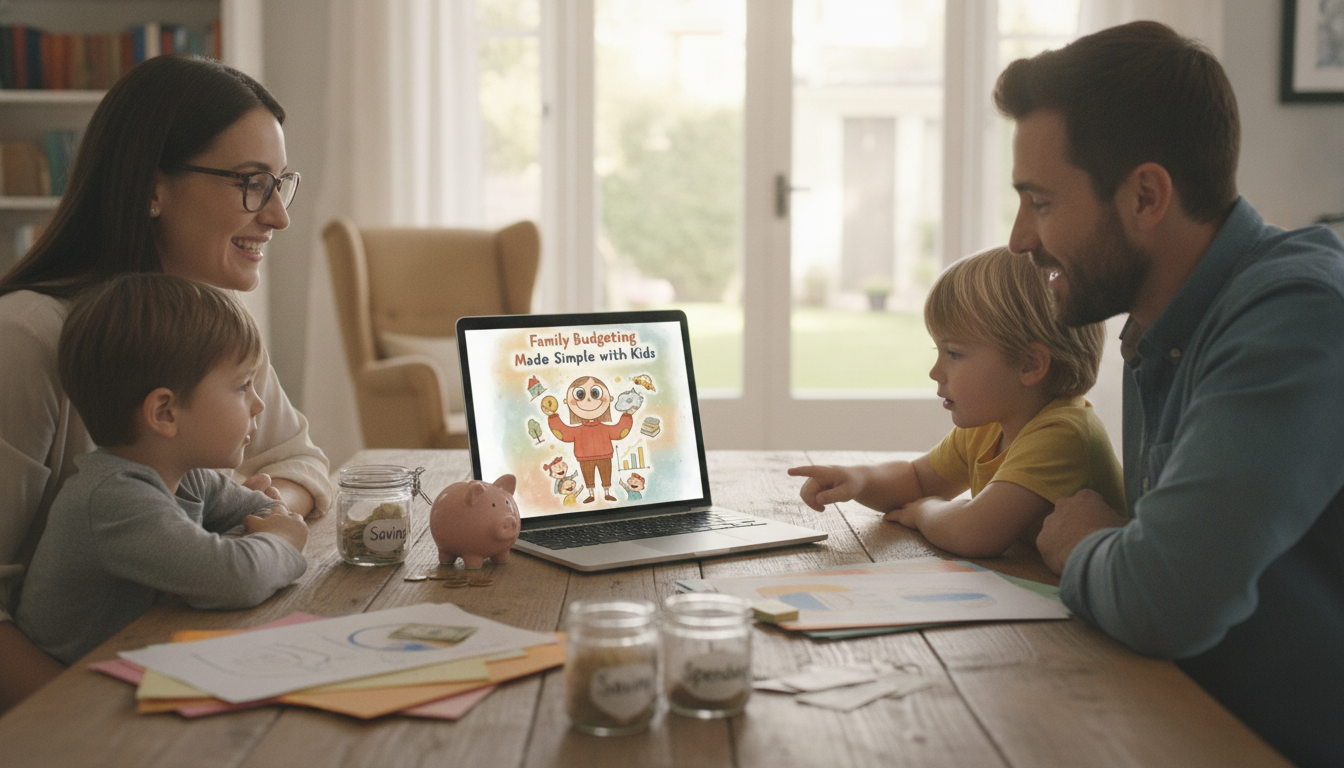
If new-parent logistics are also adding pressure, the Planning Monthly Baby Expenses Made Simple printable budgeting guide can help reduce background stress so it’s easier to respond patiently when sibling dynamics get intense.
FAQ
Is toddler jealousy normal?
Yes—jealousy is developmentally common, especially during transitions like a new sibling or starting childcare. Gentle boundaries plus emotional coaching help toddlers feel secure while they learn safer ways to cope.
What should be said when a toddler hits out of jealousy?
Use a short, calm script: “I won’t let you hit. You’re upset. Hands to self—say ‘help’ or ‘my turn.’” Then separate for safety, support calming, and guide a simple repair like checking on the other child.
How can attention be balanced between a toddler and a new baby?
Use daily connection anchors, quick one-on-one “big kid” rituals, and neutral language about delays (“I can help in two minutes”). Include your toddler with small helper roles so they feel belonging instead of competition.






Leave a comment