Hysterical Crying During Teething: What’s Normal?
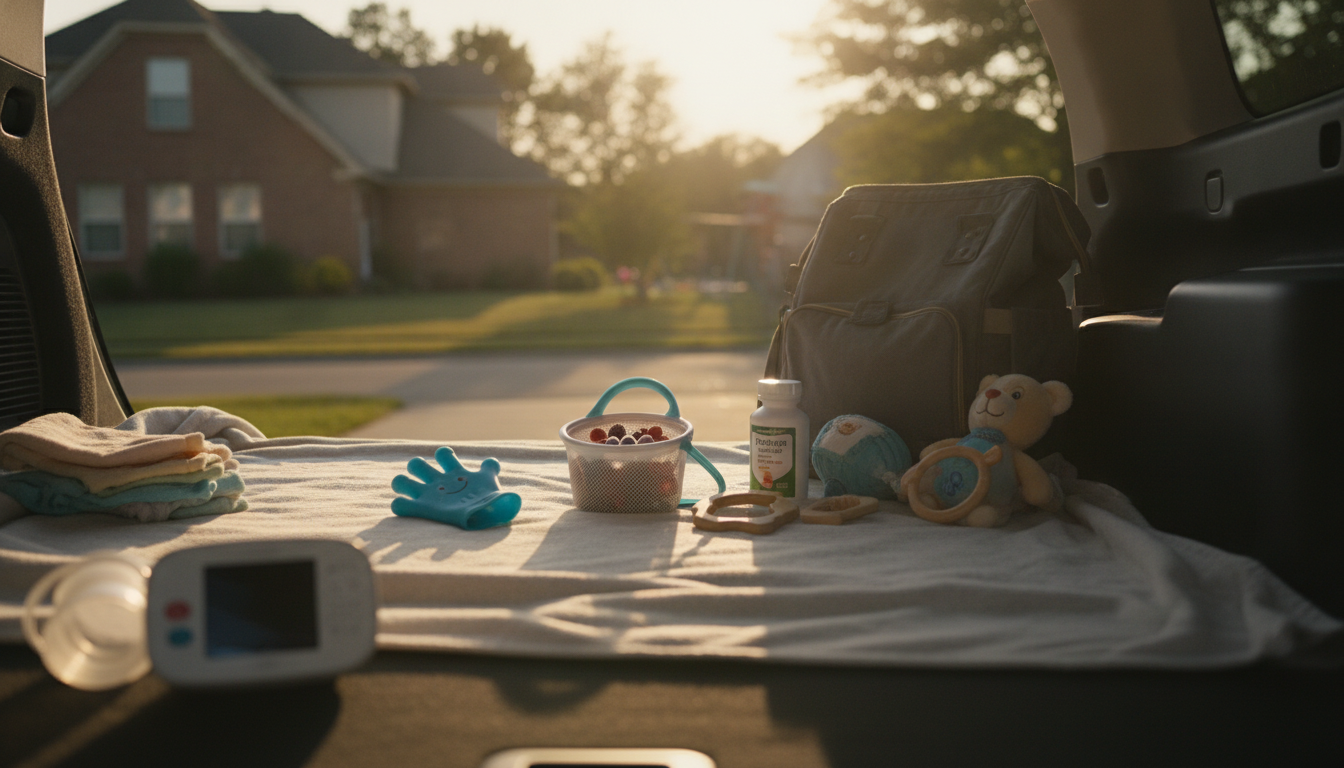
Do babies cry hysterically when teething?
They can, but “hysterical” crying isn’t a guaranteed or normal-for-every-baby teething sign. Many babies handle teething with extra drooling and chewing, while others have short bursts of intense fussiness—especially when a tooth is close to breaking through the gum or discomfort ramps up at night. What’s common is that crying may be more frequent, harder to soothe, and paired with crankiness, swollen gums, and a strong desire to bite or gnaw.
If your baby is crying in a way that feels extreme or out of character, it’s worth looking at the full picture. Teething discomfort can stack on top of tiredness, hunger, gas, or overstimulation, making the reaction seem bigger than the tooth itself. Try to note patterns: does it flare after naps, during feeding, or mostly at bedtime?
How to tell if teething is the likely cause
Teething-related crying often comes with telltale clues: lots of drool, rubbing the face/ear on the same side, gum tenderness, biting on fingers or toys, and brief relief when something cool is offered to chew. Some babies also have a mild temperature rise (not a true fever) and disrupted sleep. If the crying eases with gum massage or a chilled teether, teething is a strong possibility.
What to do when the crying feels intense
Start with simple comfort measures: offer a chilled (not frozen) teether, gently massage the gums with a clean finger, and keep a soothing routine (dim lights, soft voice, cuddling). If feeding is uncomfortable, try smaller, more frequent feeds. For some babies, pediatrician-approved pain relief may be appropriate based on age and weight—ask your child’s clinician for guidance.
For a practical, step-by-step set of soothing options and a handy printable checklist, see this teething relief toolkit.
When “hysterical” crying may be something else
Contact a pediatrician if your baby has a true fever, persistent diarrhea or vomiting, signs of ear infection (pulling ears with fever, worsening night pain), dehydration (fewer wet diapers), rash, or crying that is high-pitched, nonstop, or impossible to console. Teething can be tough, but severe symptoms deserve a closer look.
FAQ
How can I soothe my baby’s gums without medication?
Use a chilled teether, gentle gum massage with a clean finger, and offer safe things to chew. Keeping baby calm and well-rested can also reduce how intense the discomfort feels.










Leave a comment