Smart Shopping for Baby Gear: Value, Safety, and Savings
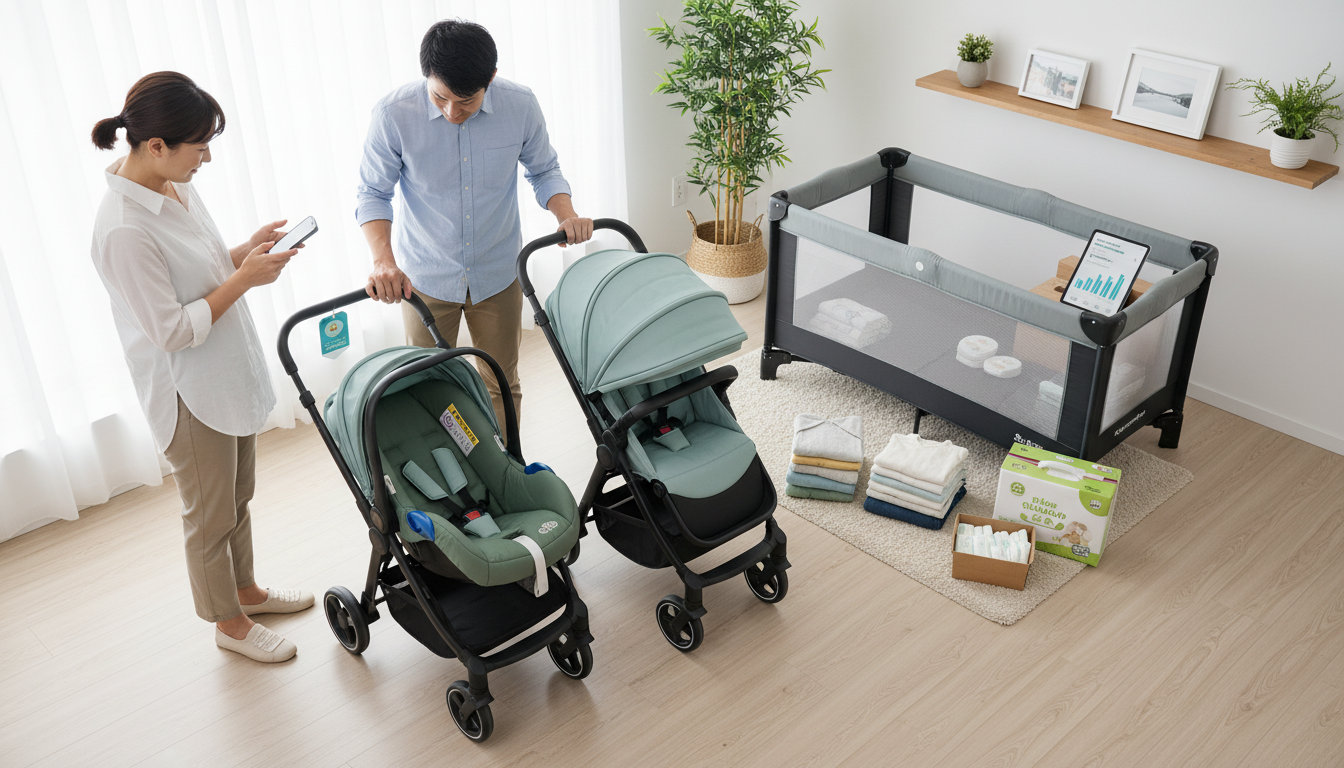
What is a smart shopping?
Smart shopping is the habit of getting what you truly need at the best overall value—not just the lowest sticker price. It combines planning, price awareness, and quality checks so purchases fit your budget, your space, and your real-life routine. For families shopping for baby items, smart shopping often means balancing safety, cleanliness, and longevity while avoiding duplicates and impulse buys.
How smart shopping works in real life
Smart shopping starts before you click “add to cart.” A quick needs list helps separate essentials from “nice-to-haves,” and a budget range keeps decisions consistent across multiple purchases. It also includes comparing total cost (including accessories, replacement parts, and shipping) and considering how long you’ll use the item.
Smart shopping tips when buying baby gear
Prioritize safety and product standards
Value only counts if an item is safe. Check for recalls, verify that key parts are intact, and confirm the product hasn’t been modified. For items with expiration dates or strict safety requirements (like car seats), buying new is often the smarter choice.
Buy used when it’s low-risk and easy to inspect
Second-hand shopping can be a smart move for sturdy, cleanable items that don’t degrade quickly—especially if you can inspect them in person. Look for solid construction, smooth hardware, and no missing pieces. Washable fabrics and removable covers add peace of mind.
Compare “cost per use,” not just price
An item used daily for a year can be a better value than a cheaper option that breaks, is uncomfortable, or doesn’t fit your lifestyle. Smart shopping favors durability, easy cleaning, and features that solve a real problem (like foldability for small spaces).
Want a simple used-vs-new checklist?
For a practical breakdown of what baby gear is typically safer to buy new versus what can be a great second-hand find, see this guide to second-hand baby gear (what to buy used vs new).
FAQ
How can I tell if second-hand baby gear is safe to use?
Check for recalls, confirm all parts and straps are present, and inspect for cracks, rust, broken locks, or loose hardware. If you can’t verify the item’s history or it shows heavy wear in critical areas, skip it.







Leave a comment